In the interest of reducing the risk of printing inappropriate content and prioritizing more diversified representation of the senior class, senior quotes will not be featured in the 2025-2026 yearbook, yearbook adviser Megan Bridge said.
“We know that this is something that’s distributed widely in the community. It’s something that people keep for decades to come, and the risk involved in senior quotes has gotten to a point where it feels like too risky to continue,” Bridge said. “The fact that something could very easily make it through different layers of people looking at it and cause harm to a person is ultimately what drives that decision.”
The extremely thorough vetting process of submitted quotes presents a time-consuming challenge for both the publication’s small staff as well as campus administrators, Bridge said. If an inappropriate quote were to pass unnoticed, the publication could face serious repercussions, Bridge said.
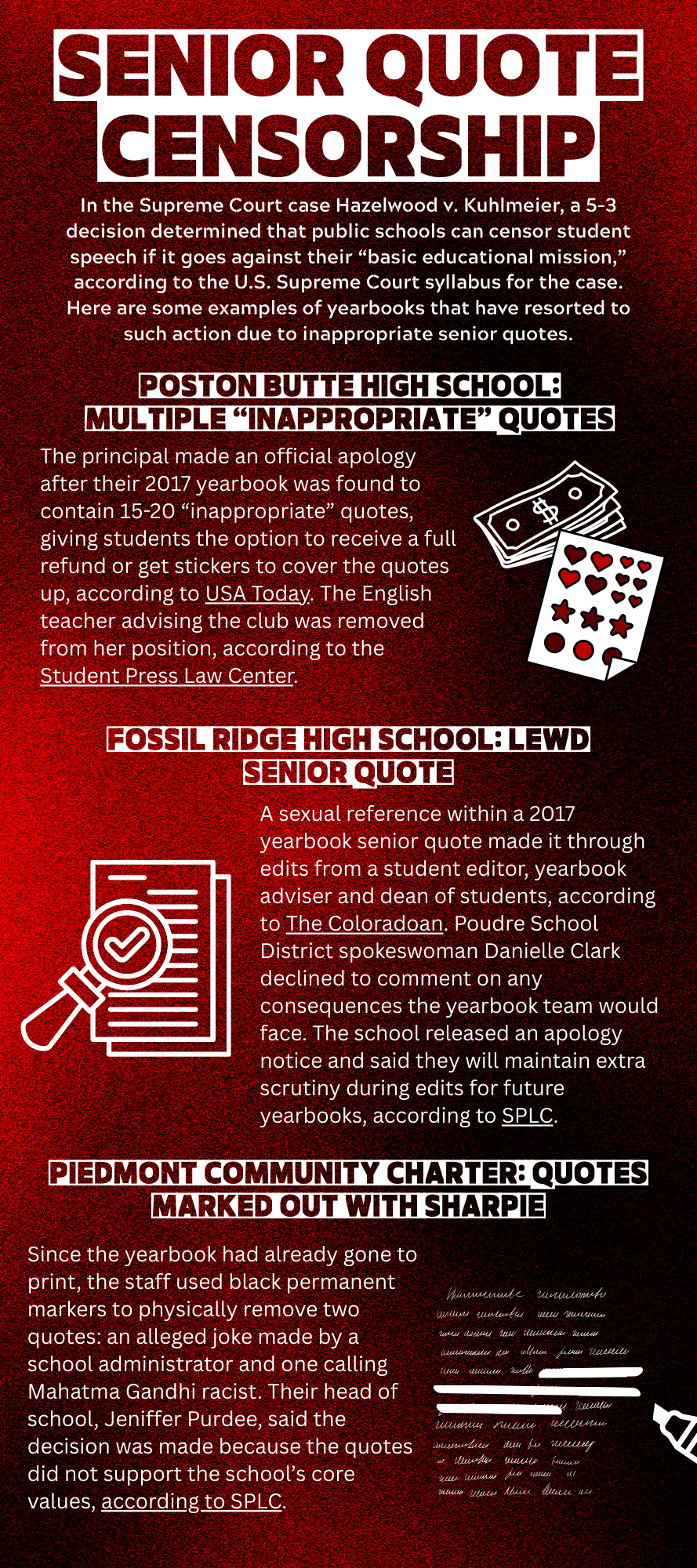
“Every year, many schools garner national media attention as a result of one or two inappropriate senior quotes, and these instances often lead to lawsuits or other negative consequences,” Bridge said. “Each year, we receive quotations that are inappropriate and would reflect negatively on our school if published. Given the costs associated with publishing a yearbook, if an inappropriate or harmful quotation were to make it onto a page, we wouldn’t be able to reprint the yearbooks.”
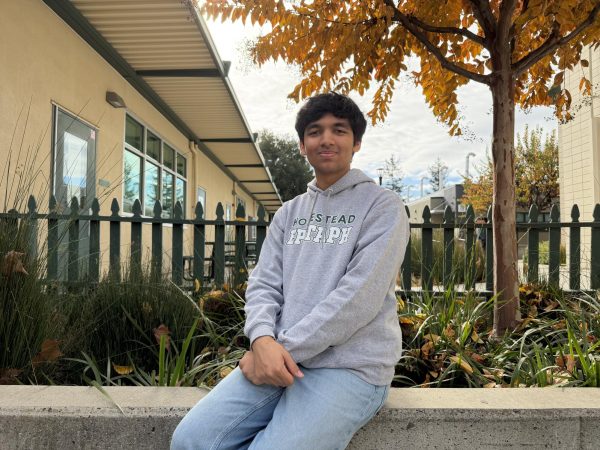
In addition to these concerns on quotes’ content, yearbook editor-in-chief, senior Shaurya Prayag said participation in senior quotes has declined in recent years, with less than half of the 2024-2025 senior class having submitted quotes.
“A lot of people are feeling like they’re missing out on something that is a very quintessential senior experience,” Prayag said. “At the same time, [managing senior quotes is] a very stressful process, and it also doesn’t show all the facets of what being a senior at HHS is like. In my opinion, [forgoing senior quotes] will help us tell all of the stories of the senior class, rather than defining them by just a sentence.”
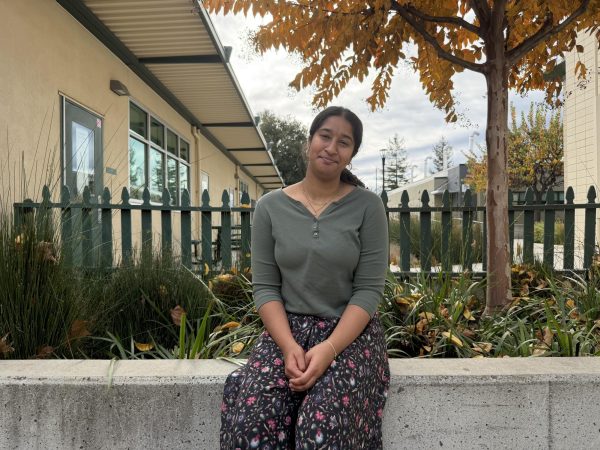
Since there is a less than 40% senior quote submission rate, editor-in-chief, senior Suri Yau said the unused space could be better utilized.
“We can free up a few more pages to do more spreads with more opinions, documenting more memories about the year,” Yau said. “We wanted to think of what students want to hear or see in the yearbook 20 years from now, 25 years from now, and a lot of the quotes we get are just not journalism worthy.”
Moving forward, Bridge said the publication is expanding content in its senior-specific sections to offer a fresh variety of student perspectives. Bridge said she encourages students to participate in the publication’s frequent surveys and interviews, which are opportunities for seniors to leave their own stamp on the yearbook.
“Our yearbook students are working really hard to feature as many voices and perspectives in the yearbook as possible, whether that’s content-related pages [or] people-related pages,” Bridge said. “It’s really important that as a publication we are given the flexibility to change and evolve every year as we think about the best way to present content for the year.”