From Jimmy O. Yang’s bit about his calculator being banned to develop his arithmetic skills in “Good Deal,” to Hasan Minaj joking about his future-focused dad’s perception of him in “Homecoming King,” jokes about one’s own culture have earned a space for themselves in the routines of many renowned stand-up comedians.
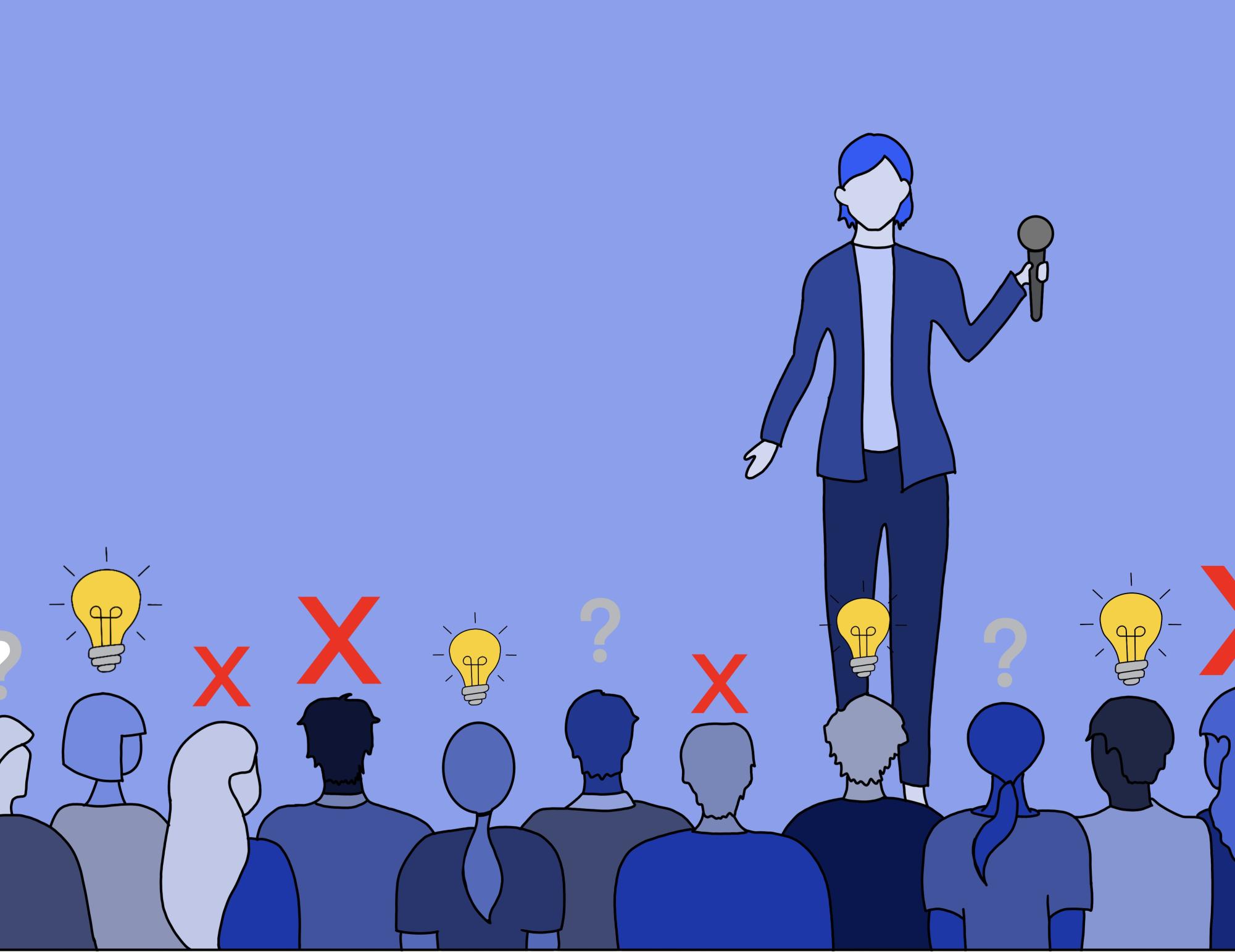
Posed as relatable stories or funny bits to welcome strangers into a comedian’s own world, cultural comedy is presented as a harmless invitation to laugh with, rather than at, a community.
However, on many sets, stereotypes, exaggerations and childhood stories are jumbled together on stage in cultural comedy. Often artificial and playing into stereotypes, these one-sided stories are internalized by audience members. For example, a joke about missing curfew or a bit about accents makes the audience believe skewed portrayals of complex cultural hierarchies and systems.
Therein lies the problem with cultural comedy. It is paraded as representation and stories that counter mainstream silence, but uses harmful stereotypes that prey on a need to be understood in a media that severely lacks immigrant narratives.
While we cling to the excuse that cultural comedy can be affirming, we simultaneously forget to recognize the patterns of assumption this humor builds in our brains. As we view these stereotypes as “just a joke,” these jokes become justification for people to use these stereotypes.
As these inauthentic punchlines are internalized by the audience, the words we put out into the world become evaluated through the lens of preexisting stereotypes. For me, talking about a curfew or my parents feels like another strike on the till, as my family is mischaracterized due to a poorly conceived narrative of Indian families through mediums such as cultural comedy.
Furthermore, when jokes require years of immersion in an utterly different culture, quick generalizations saturate the comedic landscape at the expense of beautiful histories and traditions for a more striking punchline.
This selective representation of cultural stories is a breeding ground for alienation between those who have lived the experience and those who have not. As comedians make jokes on behalf of the entire population, one’s definition of culture is boiled down to a supposedly “universal” experience, fostering exclusion and creating divisions masked with laughter.
Jokes about strict parents, stereotypes and exaggerated traditions pile up on streaming platforms such as Netflix, creating more divisive narratives rather than uniting groups under the guise of shared experiences. For this sort of comedy to coexist with fair portrayals of different experiences, we need to be more aware of the information we digest, prioritizing cultural understanding over quick laughs and generalizations.