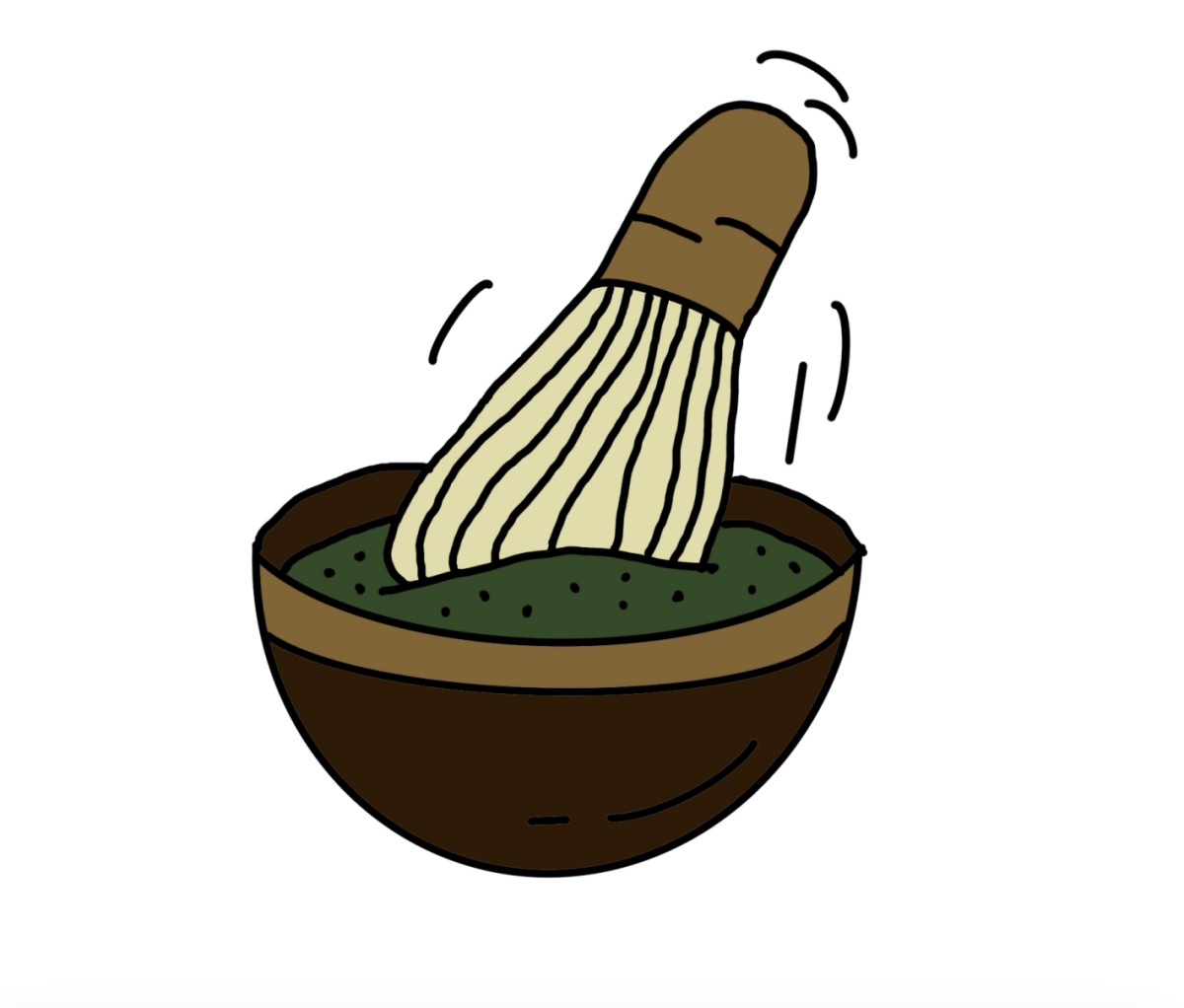
On a recent weekend, I was fruitfully enjoying my day scrolling through Instagram pages when I came across a clip from Joe Rogan’s infamous podcast, “The Joe Rogan Experience,” claiming that inserting kale into your morning smoothie will “jolt your system because it isn’t used to all these nutrients.” Being a former kale enthusiast, I felt none of these characteristics described so vividly by Rogan.
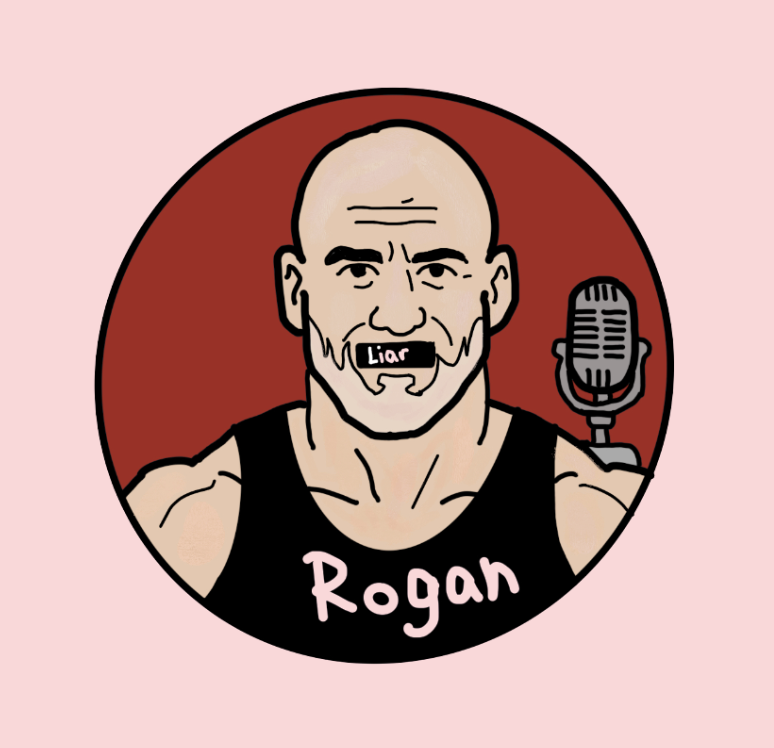
Podcasts have never appealed to me, and never will, as the same big creators such as Rogan continue to present unvetted information on their platforms. In reality, kale is healthy, but nowhere near the miracle that Rogan exaggerates it to be with its mystical health-solving properties.
Podcasts and misinformation have become synonymous over the years, with nearly 70% of podcasters in the Brookings dataset sharing an ‘unsubstantiated or false claim’ in at least one out of their 20 episodes, according to Depaulia. This statistic is largely applicable to all podcast reels I’ve come across on Instagram and YouTube.
Podcaster’s false claims make it more difficult for viewers to distinguish fact and opinion. As the format continues to grow, issues stemming from misinformation will become more mainstream in our daily lives.
Podcasts are now deeply ingrained in the system by which Americans receive information, with an estimated 41% of Americans listening to them on a monthly basis, according to Brookings. And because podcast hosts know controversial takes will increase engagement and profit, they intentionally plant lies in some of the most obscure aspects of life, like health.
For instance, Rogan and other frequent podcast speakers, including health secretary Robert F. Kennedy Jr., commonly spouted unvetted information ranging from controversial vaccine takes to convoluted diets. This has warped audiences into making poor health-related decisions. Political podcasters have also gained more traction on social media, their content riddled with misinformation despite having “credible” backgrounds.
For instance, former CIA agent John Kiriakou, who, given his sketchy history with the federal government, often gives exaggerated accounts of his Middle East deployments and, more notably, the CIA’s torture methods. With a press release classifying Kiriakou as a fraud for lying in front of the Publications Review Board of the CIA, according to the Department of Justice, podcasts have solidified themselves as an engagement-bait scheme built on fabrication.
Both instances demonstrate risks of misinformation that come with podcasts, where content creators change narratives for self-benefit.
That being said, podcasts still have the potential to be informative. However, viewers need to utilize media literacy skills and cross-check information to gauge the accuracy of podcast content.
It is important for viewers to realize when podcasts can be used as a source of information and when they cannot. Consuming information from a variety of sources is the most pragmatic action, especially when making important decisions pertaining to elaborate topics like health.
To some extent, podcasts will be a form of engagement-bait hosted by people with credentials. In today’s world, where it is getting harder day by day to distinguish between truth and lie, it is crucial that audiences do their part in stopping the spread of misinformation through personal research and avoiding heavy reliance.