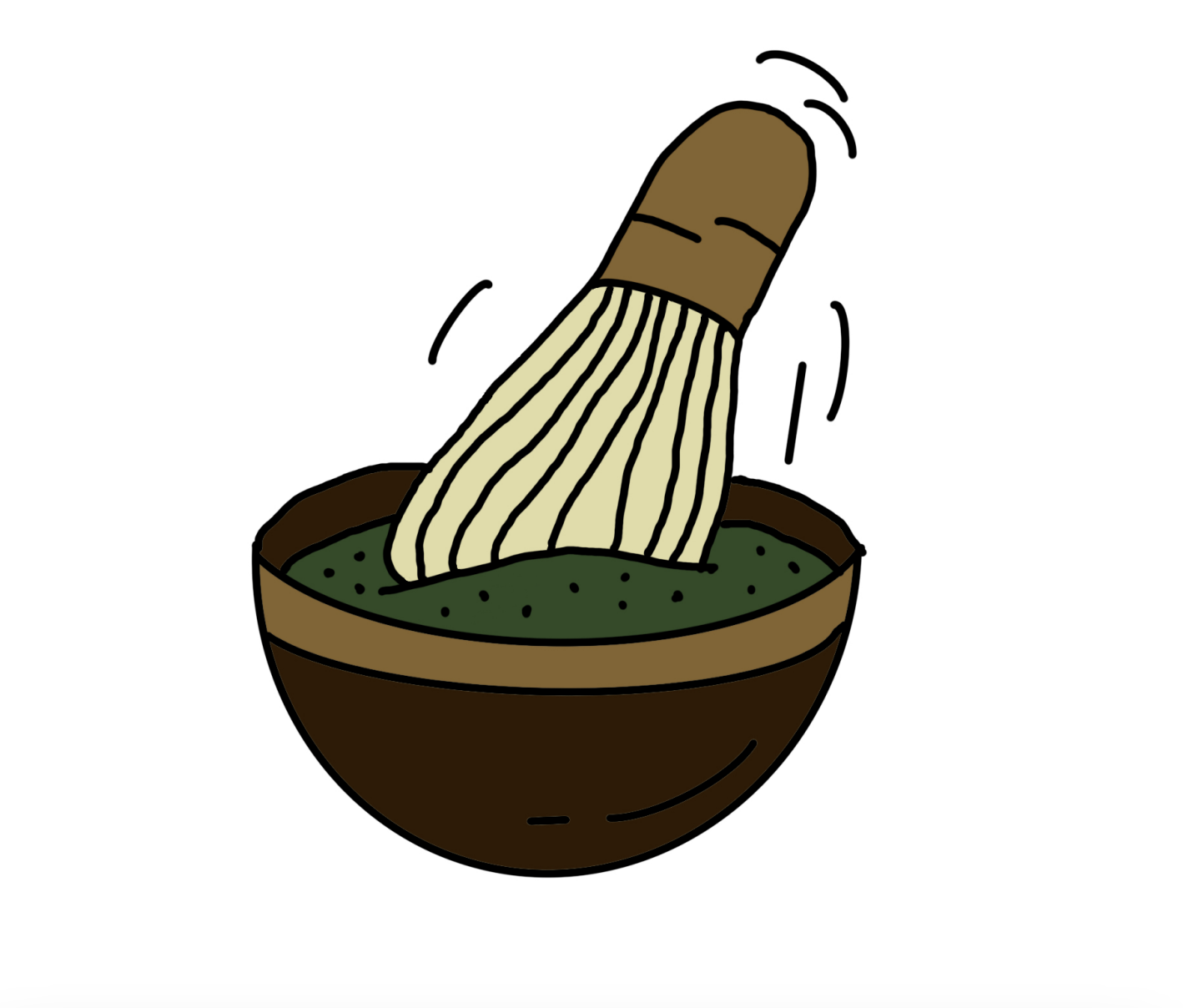
After seeing countless videos on Instagram all glorifying a Japanese green powdered tea leaf known as matcha, I decided to try my first matcha dessert. I was expecting it to be a life-changing moment that would convert me into the type of person from my social media feed who drinks Starbucks matcha lattes every day.
(Photo by Ethan Tan)
What I got instead was a delicacy that tasted like the medicine you would drink for a sore throat — bitter, chalky and nauseating. No matter how much I forced myself to try and appreciate this item, I could not find it within myself to.
When I recognized that this disappointment was the result of the pressure I felt to conform to mainstream tastes, I realized I fell into the trap of overconsumption. After this lackluster experience, my matcha passion quickly ended, saving me lots of money and time in the process.
Over the past few years, matcha has taken social media by storm, with thousands of videos centered around the glorified drink and desserts with the same flavor profile.
Whether it is a “Watch me study 14 hours for my Harvard final” video or “This is how I make my skin still look 20,” matcha content is often paired with productivity content. As a result, social media’s presence has lifted matcha’s image from an ordinary household product in the past to a symbol of a lavish and preppy lifestyle, with a hefty price.
Beyond its aesthetic purposes, matcha has also gone up in demand due to new memes. In the past year, the “performative male” joke had the internet flocking to buy popularized items, such as Labubus, tote bags and matcha.
Evidently, social media creates pressure to conform to trends and drives the massive, unnecessary consumption of matcha. In fact, there was a 520% increase in internet searches for matcha since 2020, when the product made its primary Western debut, according to the NSS Magazine.
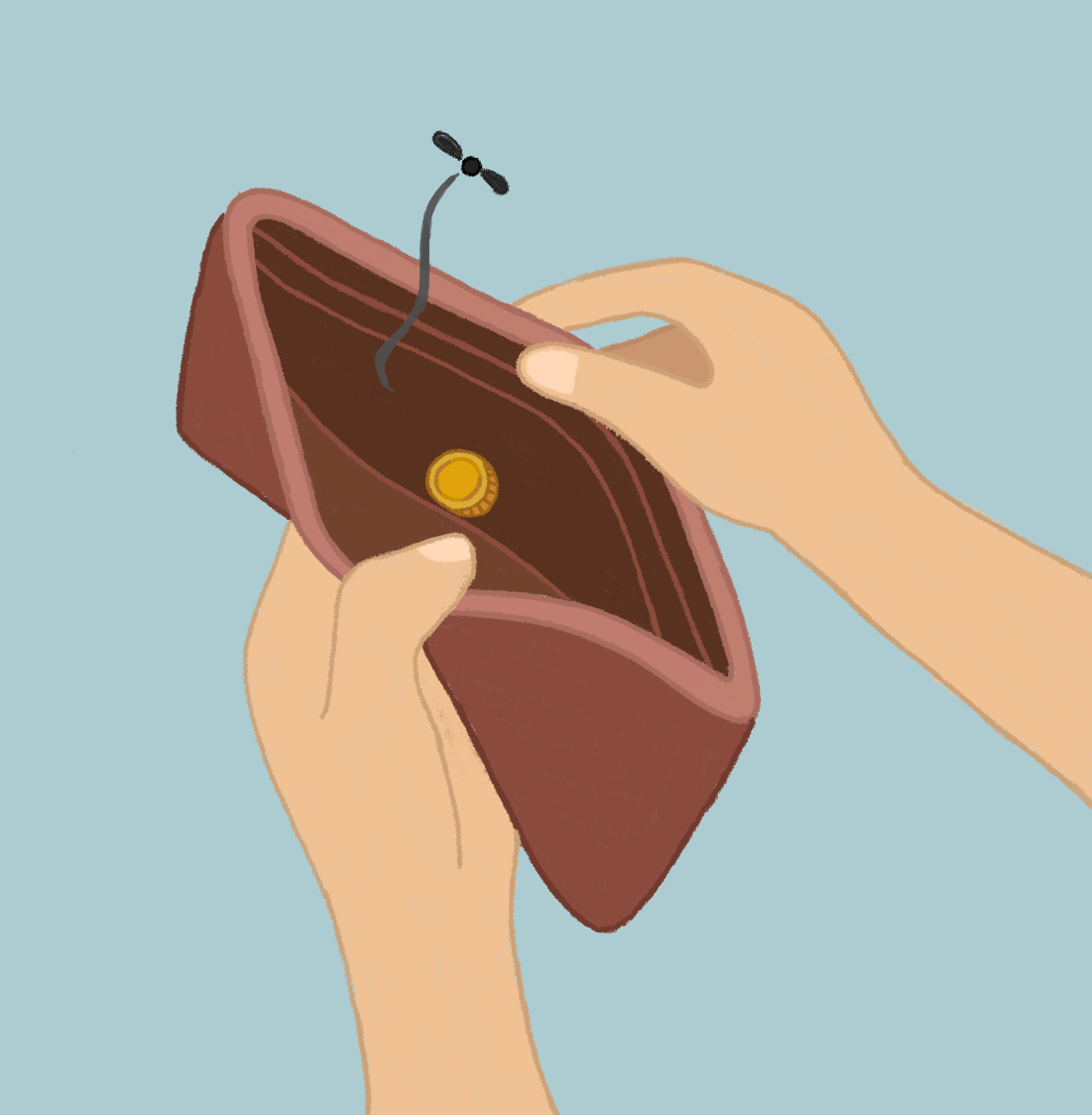
This overconsumption of matcha is not only a huge waste of consumers’ money, but it has also created a global matcha shortage. Japan, the country where most matcha is produced, cannot keep up with the spiking demand for the product, said Yahoo! Finance.
Ensuing inflation of prices is also a consequence of matcha overconsumption, with manufacturers having increased matcha prices by 80% to nearly 150% due to demand, according to Sazen. Furthermore, overconsumption of matcha presents other global issues, including environmental waste, as excessive product will go unused.
As social media continues to grow, videos promoting these trends will only get more popular. However, people who do not enjoy matcha, including me at one point, should not buy into the trend because it perpetuates wasteful and unnecessary practices.
Instead of blindly buying into social media hype, people need to consider how their decisions affect their wallet, as well as their environmental footprint. Spending money on an overpriced item for just “aesthetics” without having a liking toward the product is a clear issue that could be avoided with more consciousness.