As an avid television watcher, my 7-year-old self was greatly intrigued and captivated by Disney’s 2016 film “Moana.” Back then, the plot and characters were not the main focus, nor were the catchy songs.
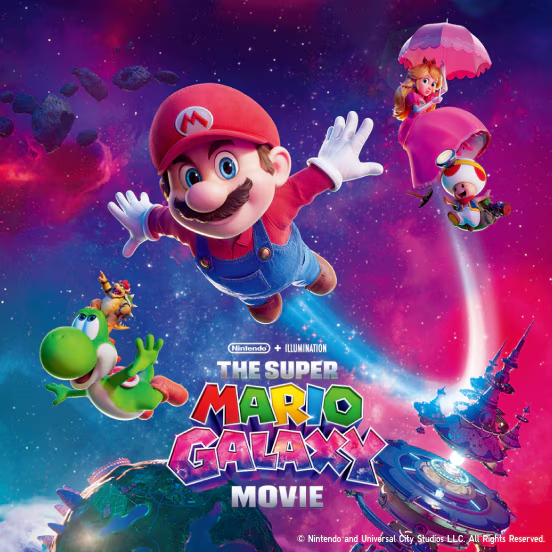
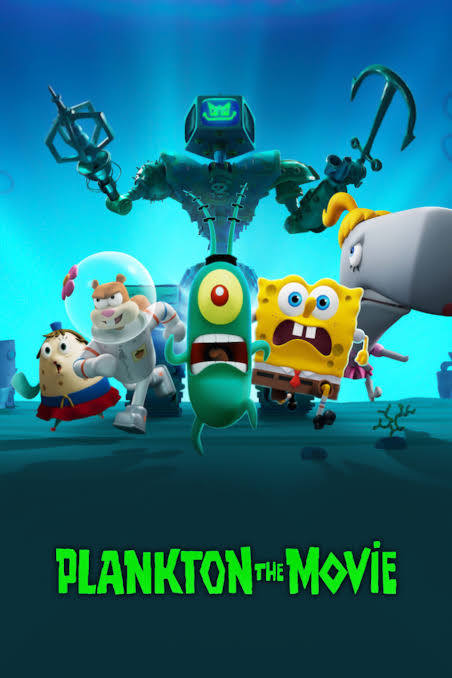
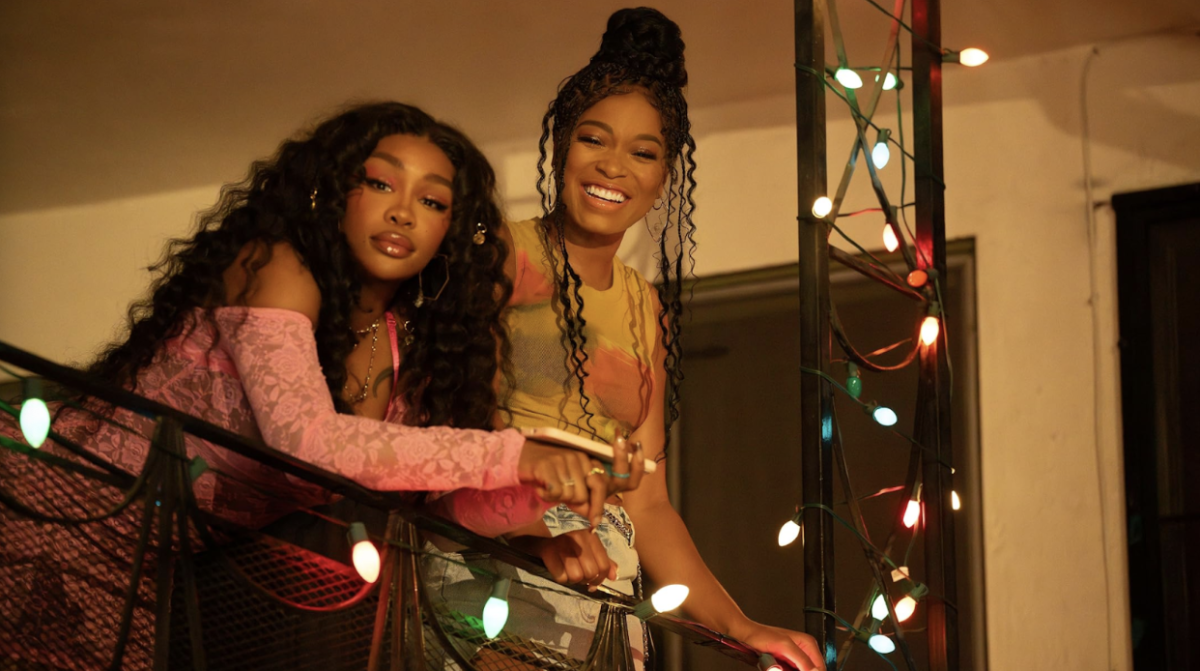
The movie’s true highlight was its use of vibrant colors that create striking combinations of blues, greens and orangey-reds. “Moana” was iconic for its bold and contrasting color palettes, but these days, it is more common to see films with scenes that desperately lack saturation.
Released in 2024, “Moana 2” starkly contrasts its more colorful prequel and exhibits a dreary shift toward dull pigments in the film industry. This change not only increases the risk of making scenes boring and hard to follow, but also reduces emotional expression through color grading.
In a weak attempt to create a film with a different mood, “Moana 2” leans heavily on purple hues and uses darker blues for the ocean. Deviating from the original aesthetic of the franchise comes across as confusing, especially for fans of the first movie.
This unnecessary revision detracts from the sequel’s nostalgia factor, as it had a completely different feel. The dull color palette made the characters’ personalities less distinct and more forgettable, whereas the original film’s exciting colors clearly represented each character’s persona.
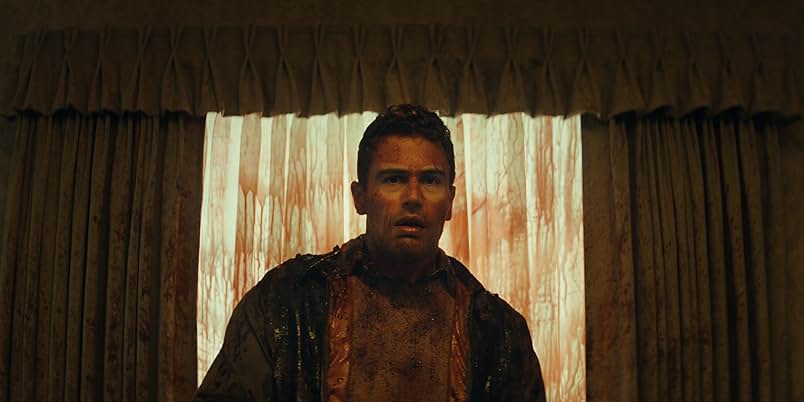
Generally, it seems filmmakers are drawn toward muted colors under the delusion that they look more mature. While many films adhere to this idea, recent releases have been overusing these colorless tones, dimming their visual impact overall.
However, there is still hope for the film industry to stop underusing the saturation button.
2023’s “Barbie” movie is a perfect example of how color can still symbolize sophistication. It is a widely successful film that appeals to all ages, but is not afraid to use an array of lively pink colors.
The movie carries a deep message about feminism, but maintains the bright, iconic image of its franchise. Despite the dramatic scenes, the movie carries many sentimental moments while staying true to its original branding.
While muted scenes can be used artistically as a statement or a plot device, colors are still vital to visual storytelling. They convey complex emotions that mesmerize viewers and create atmospheres for stories to exist in.
Without vibrant colors, audiences will be less captivated by film and more likely to miss out on the key details within movies.
The film industry must learn its lesson before it ruins a whole generation of cinema. Colorless, drab films do not show complexity and have no place on screens.