COLUMN — There is very little known about William Shakespeare’s personal life. Over the years, his marriage to a much older wife has been tirelessly picked apart by historians and interpreted into grand love stories. The 2020 novel “Hamnet,” however, centers around the mysterious death of William’s son, Hamnet.
Authored by Maggie O’Farrell, “Hamnet” adopts a unique narration, organically flowing between characters’ thoughts to add breathtaking meaning to their many quiet moments of tension. As it follows William and his wife Agnes’s marriage and their grief after Hamnet’s death, O’Farrell crafts a fascinating connection between the complex personalities of the novel and the writing of William’s renowned tragedy play “Hamlet.”
The core essence of “Hamnet” lives in the heads of its characters, making a movie adaptation a futile attempt. Indeed, the 2025 film “Hamnet,” released in theaters on Dec. 5 and streaming services on Feb. 3, fails to capture the life of its predecessor, only serving up emotive fodder.
The film makes passing attempts to connect to the novel. Director Chloé Zhao tries to emulate the distant tone of the book’s narration with unmoving, faraway camera shots for minutes-long scenes.
Especially in earlier turning points, where dynamic angles and close-ups are crucial to seeing facial expressions and establishing each character, the film misses opportunities to form a more intimate understanding of William and Agnes.
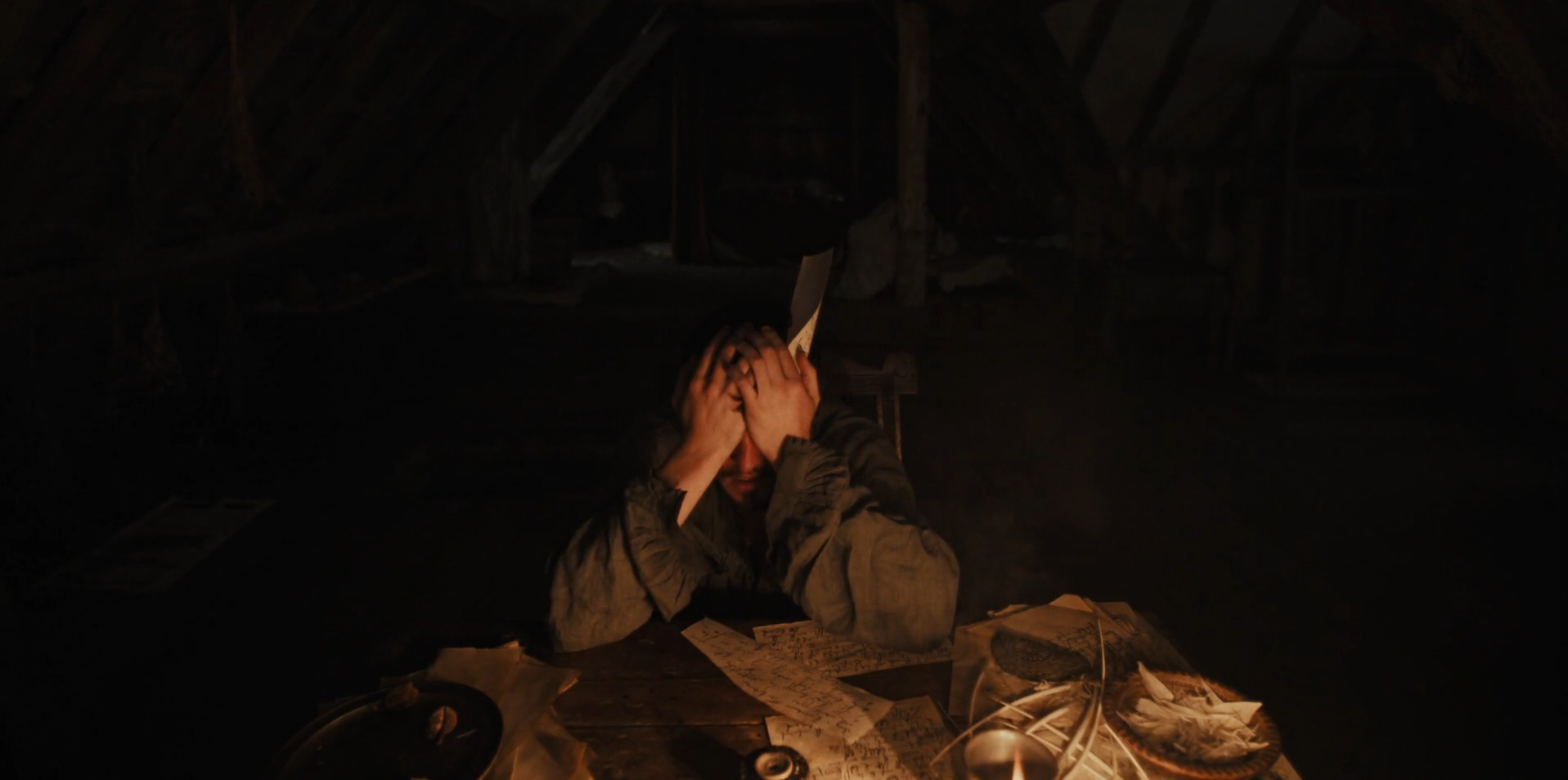
For example, in one scene, William violently laments his loss of purpose, but his breakdown is shot from above. Paul Mescal, who plays William, violently bangs the table and anxiously falls apart in the heart-wrenching moment.
However, as the scene goes on, the unmoving downward angle builds emotional distance and ruins the intimate vulnerability it could have shared with closer, head-on filming.
The movie struggles to build emotional connections with viewers in other ways as well, particularly concerning William and Agnes’s relationship before Hamnet’s death. Their love and slow decline into dysfunction takes up more than half the novel, but is squished into just the first 30 minutes of the film.
Not only does the screenplay’s pacing ruin character development, but by adapting the novel’s inner monologue as dialogue, “Hamnet” loses all subtlety.
With their clichéd and rushed confessions, William and Agnes’s romance is difficult to even believe. The film only briefly touches on their external pressures, whether it’s William’s abusive father, Agnes’s traumatic childhood or societal whispers that follow the peculiar family.
By choosing one aspect and fleshing it out completely, the film could have added more depth to their shattering grief at Hamnet’s death.
Despite glaring missed opportunities in its script, the final scenes of “Hamnet” are exceptional. They aren’t hindered by dialogue because there is considerably less of it — only heartbreaking performances from Mescal and Jessie Buckley, who plays Agnes.
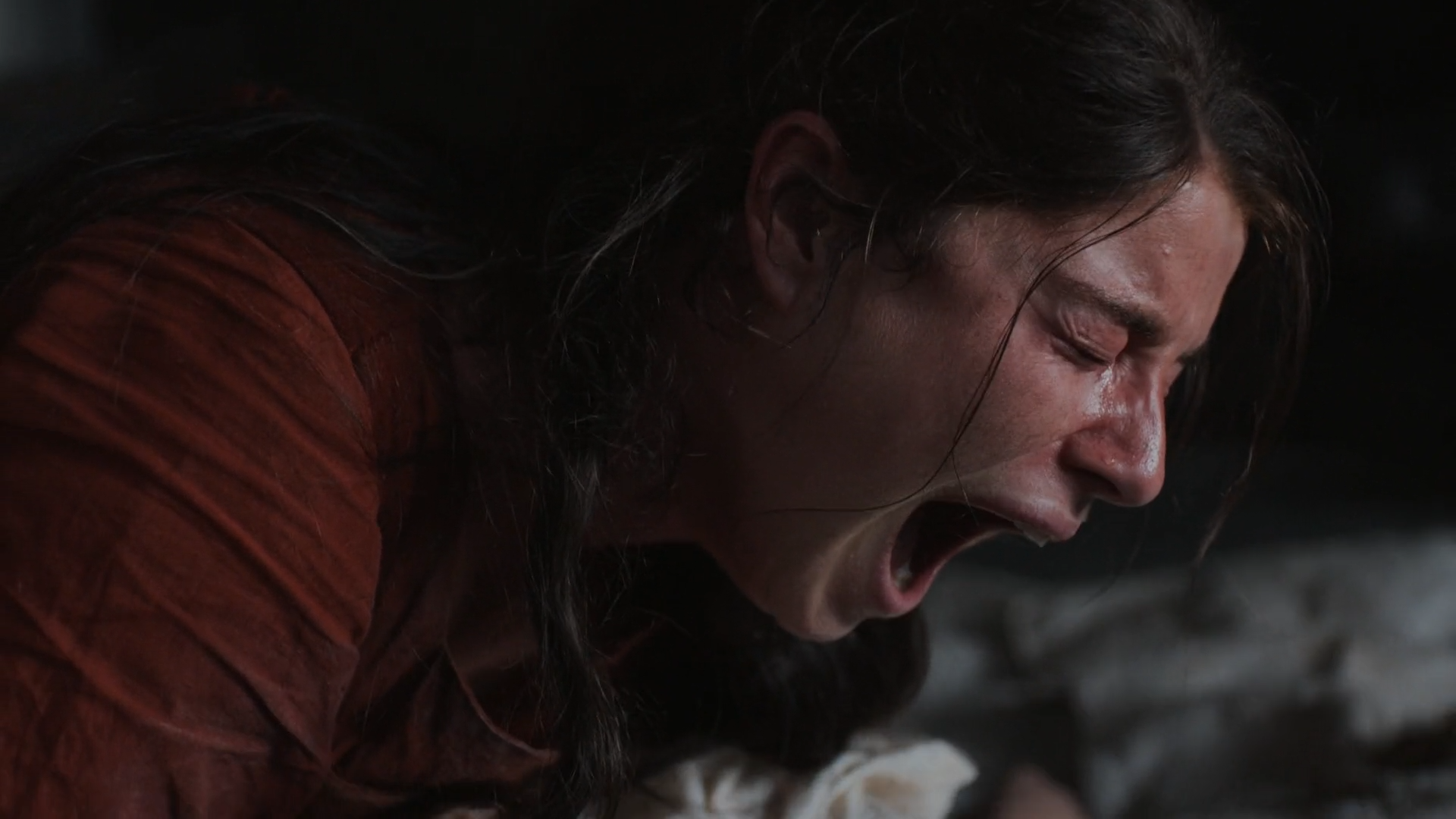
Buckley, in particular, shines in the second half of the film. Her hoarse wailing at Hamnet’s death is visceral, and the film settles to center on her. The book makes a similar choice, refusing to name William at all and shifting the narrative to his wife by referring to him as the “father” or “husband.”
Even with its emotional impact, the second half of the movie feels the same without the buildup of the first, largely because the first does no building up. It introduces characters and establishes loose threads, refusing to provide much context on their reactions to loss.
Because of this, the final scene is a histrionic testament, not an eye-opening one. Agnes goes to William’s showing of “Hamlet” and watches in awe at the play’s tragic themes and Hamlet’s untimely death.
This scene, which is nearly a quarter of the entire film, reflects the heartwrenching death of Hamnet, but only drives predictable themes of his remembrance. It is inexplicably sad, but it doesn’t shed light on the connections between the rest of the film and the themes of “Hamlet.”
The novel, on the other hand, reveals more of William’s closure and intentions in the play, fulfilling the bigger purpose of writing this story.
To be, or not to be. When it comes to the film “Hamnet,” there is no question of choosing the latter.



![“We are the next generation of leaders. What we see in our social media is being censored, and what we can talk about in school is being controlled,” organizer Imaan Syed said. “That’s why our First Amendment rights are important, [so] that we can speak about anything we want to and continue to show out.”](https://hhsepitaph.com/wp-content/uploads/2026/02/2-1200x800.jpeg)