There is an X-factor in morally gray characters that attracts an audience. Fans adore them, not because of their powers or intelligence, but because they feel realistic and relatable.
These characters walk the line between good and bad with their complexity and multilayered qualities.
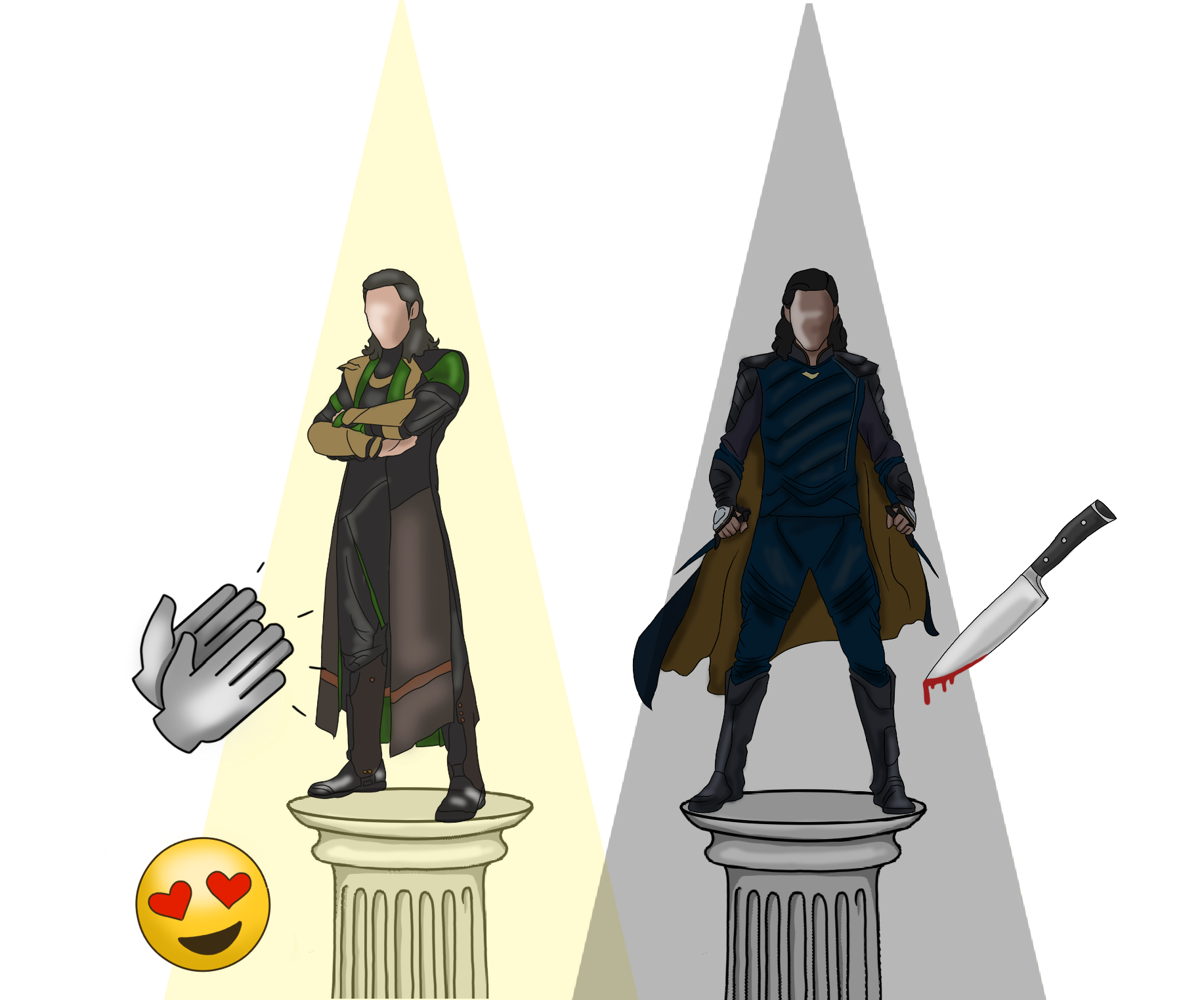
Some revered characters are Loki from the Marvel Cinematic Universe and Kaz Brekker from “Six of Crows,” both of which are favorites among their respective fanbases.
Loki’s natural talent for a dramatic flair makes the audience look forward to seeing him on screen. Most importantly, he displays relatable but unpleasant emotions, such as feeling unaccomplished because he lives in the shadow of his brother, Thor.
Similarly, Kaz is adored for his fierce loyalty to his crew. Even though he doesn’t follow the law, he strictly abides by his own moral code, such as vowing to never exploit women and always paying his crew what they deserve.
However, looking past these good qualities, both characters are still twisted and commit many heinous acts.
For instance, Loki commits mass murder on multiple occasions because he feels the need to publicly demonstrate his power over Thor.
Similarly, Kaz tortures enemies without a second thought, and manipulates people emotionally and psychologically, using others’ fear as a tool.
Despite their immoral actions, these morally gray characters are excused by fans, chalking it up to their past trauma and experiences with neglect. Consumers idolize and justify the characters because of everything that makes them funny or relatable, disregarding their ruthless actions.
Instead, characters like Loki and Kaz should be held to a higher standard, and people should carefully reconsider why they feel compelled toward them.
Morally gray characters can be appreciated for being well-written, but should cease to be seen as admirable to their audience. Even as victims of abuse, these characters are perpetrators of atrocious crimes that cannot be justified.
In short, morally gray characters such as Loki and Kaz can be recognized and acknowledged, but not romanticized. It is viable to enjoy the stories and well-crafted character building, but fans must remember that they can understand a character’s actions without justifying them.