OPINION — The popularity of competitive club sports has been continually growing after the pandemic, but to a much more egregious extent, so has its pricing. Prioritizing players’ financial privilege over passion, high club dues restrict many aspiring athletes in their journeys and must be reworked.
Large, greedy sports clubs, especially in competitive sports like basketball, volleyball and soccer, often charge over $10,000 for club fees alone. While these costs are supposed to primarily fund coaches and facilities, seasonal increases far exceed inflation adjustments, raising questions of where this extra money is going.

In particular, the baseline price usually does not account for additional costs of hotels, flights and higher-level tournament entry fees. Moreover, private lessons, which are technically optional, have become an unspoken expectation for athletes seeking to gain playing time or advance to better teams.
This brews a costly cycle of players searching for the strongest competitive environments but then needing extra training to keep up. If clubs truly want to support athlete development, this hidden financial pressure cannot be ignored.
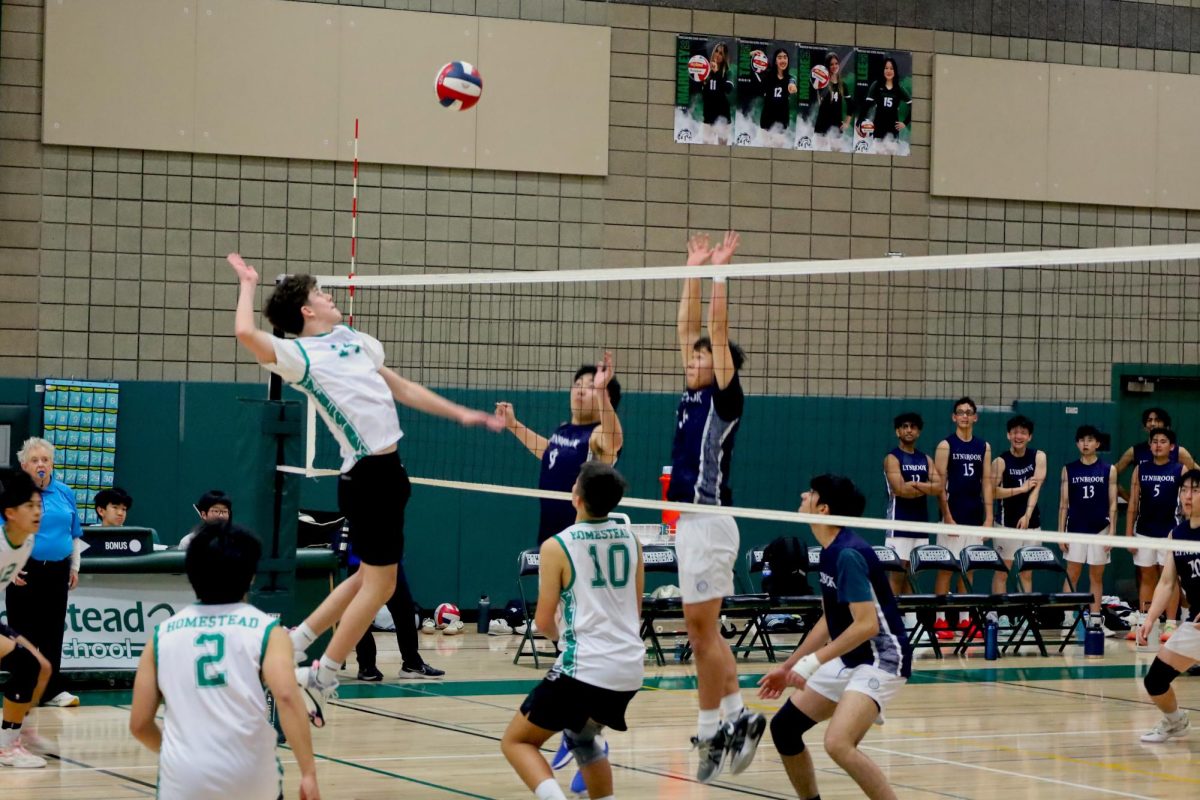
As I enjoy the privilege of playing club volleyball, I also see a disheartening side to it. In my own experience, the club, travel and extra training fees can total over $20,000 a year.
No student athlete should ever need to choose between financial security and pursuing or continuing a sport they love. While the youth sports scene is meant to allow players to explore a variety of options, rising costs have limited opportunities across it.
To address this, clubs must expand financial aid options and offer more merit-based scholarships for promising but underresourced players. On top of this, including alternative payment plans like monthly installments instead of a lump sum seasonal deposit could relieve burdens for every family.
Furthermore, clubs can trim costs by rethinking tournament structure. They should enter fewer travel tournaments, prioritizing more local games and playing older teams to maintain strong competition. This way, clubs can focus on the local scene while still meaningfully challenging their players and fostering growth.
For the hefty investments parents pour into clubs, coaching quality must reflect this and improve. Professional or collegiate coaches should hold coaching development programs before each season to share techniques, practice formats, strategies and leadership advice among club coaches.
Ultimately, athletes and their families must start questioning the system and advocate for solutions that boost equity and accessibility. If clubs expect families to commit their children’s futures to them, they must be more affordable, otherwise far too many youth will be left on the sidelines.