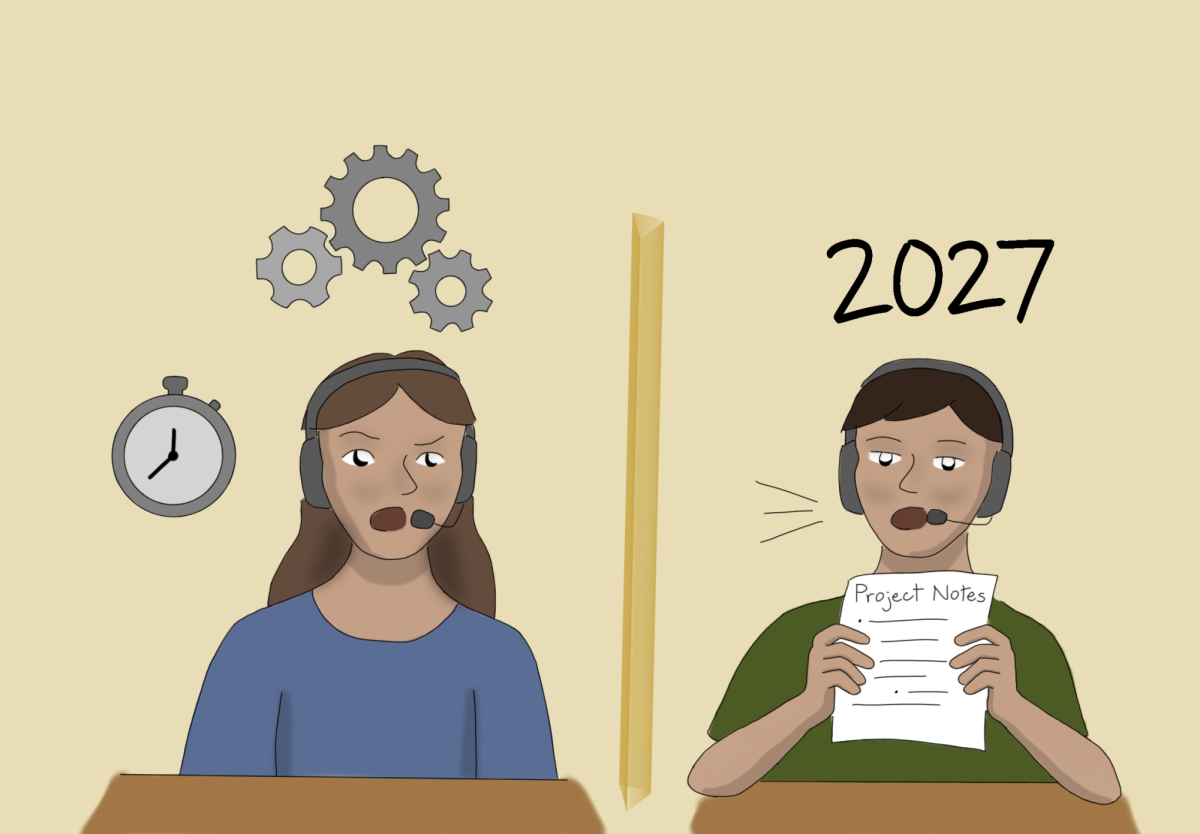
If two consenting adult siblings were in a relationship and never had kids and no one was harmed, most people would instantly call it wrong. However, when asked to explain why, they would struggle to do so, beyond calling it “gross” or “just wrong.”
Psychologists call this phenomenon “moral dumbfounding,” which occurs when people hold a strong moral judgement without being able to fully explain the reasoning behind it, according to the National Library of Medicine. Although incest is a relatively rare example, the same pattern of thinking frequently appears in schools.
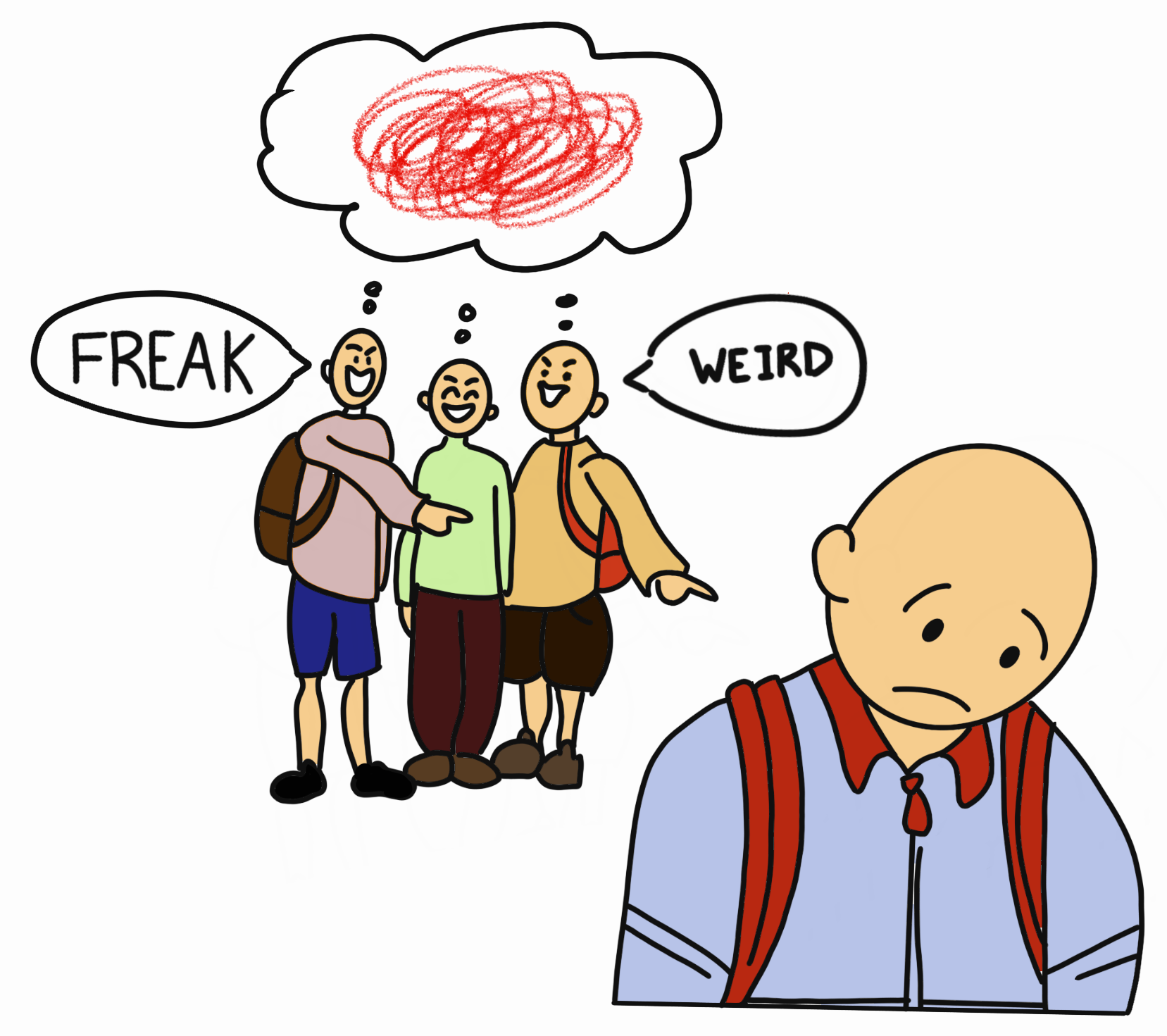
Every day, students judge and label each other “weird” or “annoying,” yet these labels are rarely supported with actual explanations. Instead, they often rely on social pressure to decide what is acceptable. Over time, this creates an environment where judgement becomes automatic.
In my two years at HHS, I have seen this affect how students are treated at school after they have such a negative label attached to them. Regardless of whether the judgement is justified, it directly lowers the quality of treatment they receive, and others never stop to understand these students’ opinions.
As a result, this mindset weakens critical thinking. Schools claim to value reasoning, but on a social and moral level, people are encouraged to agree with the majority rather than think independently.
Although emotions can sometimes reflect valid concerns, there is a difference between identifying real harm and fearing unfamiliar concepts. If a student cannot clearly defend their criticism, then their judgement should be called into question.
To address this issue on a schoolwide scale, administrators must implement clearer policies that prevent harassment among students. This could be done by having staff supervise more thoroughly to recognize and prevent this.
Additionally, curriculum should place a greater emphasis on personal reasoning. In most classes, students are taught to argue academically in essays but not how to apply the same thinking to their everyday interactions. Discussions, like socratic seminars, about bias and morality could help students shape their stances by healthy logic instead of societal pressures.
Education should teach students how to think, rather than what to think. If schools truly hope to promote equity, they must encourage students to examine the reasoning behind their judgement. Otherwise, they risk allowing the very kind of irrational thinking they are meant to challenge in the first place.