In recent years, travel ball, or club baseball, has grown in popularity among student baseball players, coach Curtis Currier said. While supporting athletes’ performance on the HHS baseball team, travel ball comes with notable benefits and drawbacks in comparison, Currier said.
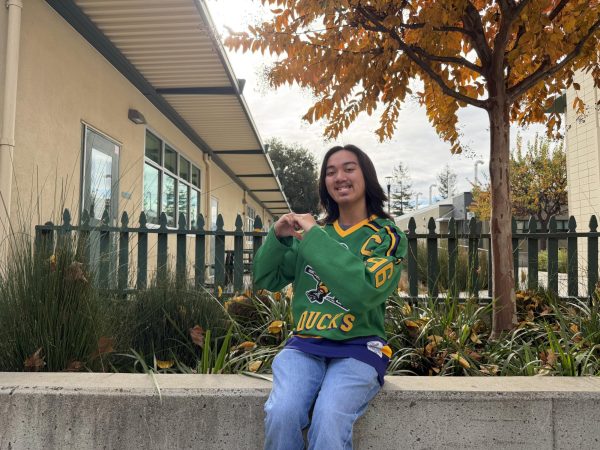
Freshman Connor Donahue, who has played travel ball since fifth grade, said a key difference with travel ball lies in its year-round timeframe and player diversity.

“Travel ball consists of different coaches. A lot of them may have been playing the game for a while,” Donahue said. “Also, you have players coming from other states to play for your team, and players from the same city. With high school, these are guys from your city, and you know the coaches.”
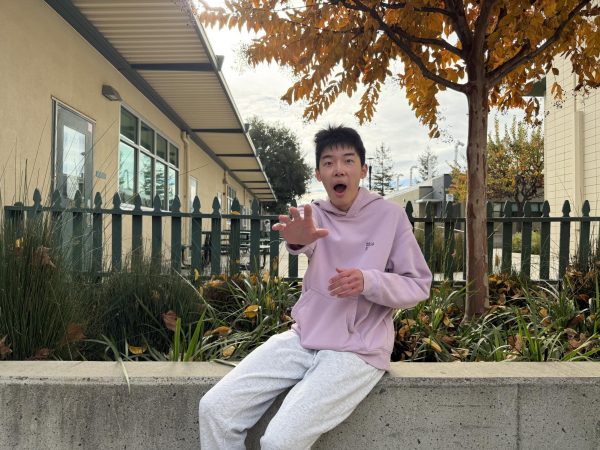
With travel ball teams playing together across longer time periods, junior Ethan Wang said this fosters a different and often tighter-knit community.
“There are a lot of teams you don’t necessarily see in school [with] different skill levels. Additionally, there are players you don’t see normally,” Wang said. “It’s a great way to showcase your talents because college coaches come to see you play, [and you can] also make friends and develop bonds with other players.”
Over time, travel ball also provides a baseball experience more akin to a professional setting, Donahue said.
“Some positives of travel ball are getting to face good competition and know baseball better.” Donahue said. “For example, going from Little League to travel ball is quite a big change. You really get the taste of what true baseball is like.”
Aside from player interactions, travel ball coaches are typically better equipped to push players toward college recruitment, Currier said.
“Travel ball gives you a bigger opportunity to get seen and scouted,” Currier said. “Depending on the high school, you’re going to get scouts to come to games, but in this day and age, the best way to get seen is through the travel ball system.”
On the other hand, high school baseball mainly differs in terms of stricter standardized rules and a change in scheduling, Currier said, with games being held on weekdays instead of weekends.
Another significant difference between the two systems is that travel ball’s financial costs influence playing time, Currier said.
“It is a pay-to-play system, whereas in Little League, there are playing time requirements. In travel ball, you are paying a monthly fee, and those monthly fees are going toward practices and tournaments. Because you’re paying, you are expected to be playing.”
In contrast, high school coaches adjust playing time based on merit, Donahue said.
“Some of the downsides of high school ball is that it’s very competitive, meaning some people may not get as much playing time,” Donahue said. “You might put in players whenever you want because you can always play another tournament. High school is really the separator for travel ball versus college, so it’s a big deal, especially when you get to play on varsity.”
Finally, the travel ball and high school seasons do not overlap, Currier said. Thus, players can ultimately approach each format independently and gain meaningful experiences from both.
“They don’t intersect because you cannot play travel ball during the high school season, but it is an extension of the individual training and development you can do in the fall with travel ball,” Currier said. “[After] the high school season, a lot of guys will take [summer and fall] and play a travel ball season. You have the choice to extend your baseball season with travel ball.”