From a cozy cottage in Ottawa to troubling family dynamics in Moscow, HBO Max’s new romance “Heated Rivalry” showcases the conflicting and nuanced lives of two hockey rivals who are brought together. Released on Nov. 28 and based on Rachel Reid’s novel, the TV show stars Asian-Canadian prodigy Shane Hollander (Hudson Williams) and Russian phenom Ilya Rozanov (Connor Storrie) in a complicated romance that showcases their decade-long love on and off the rink.
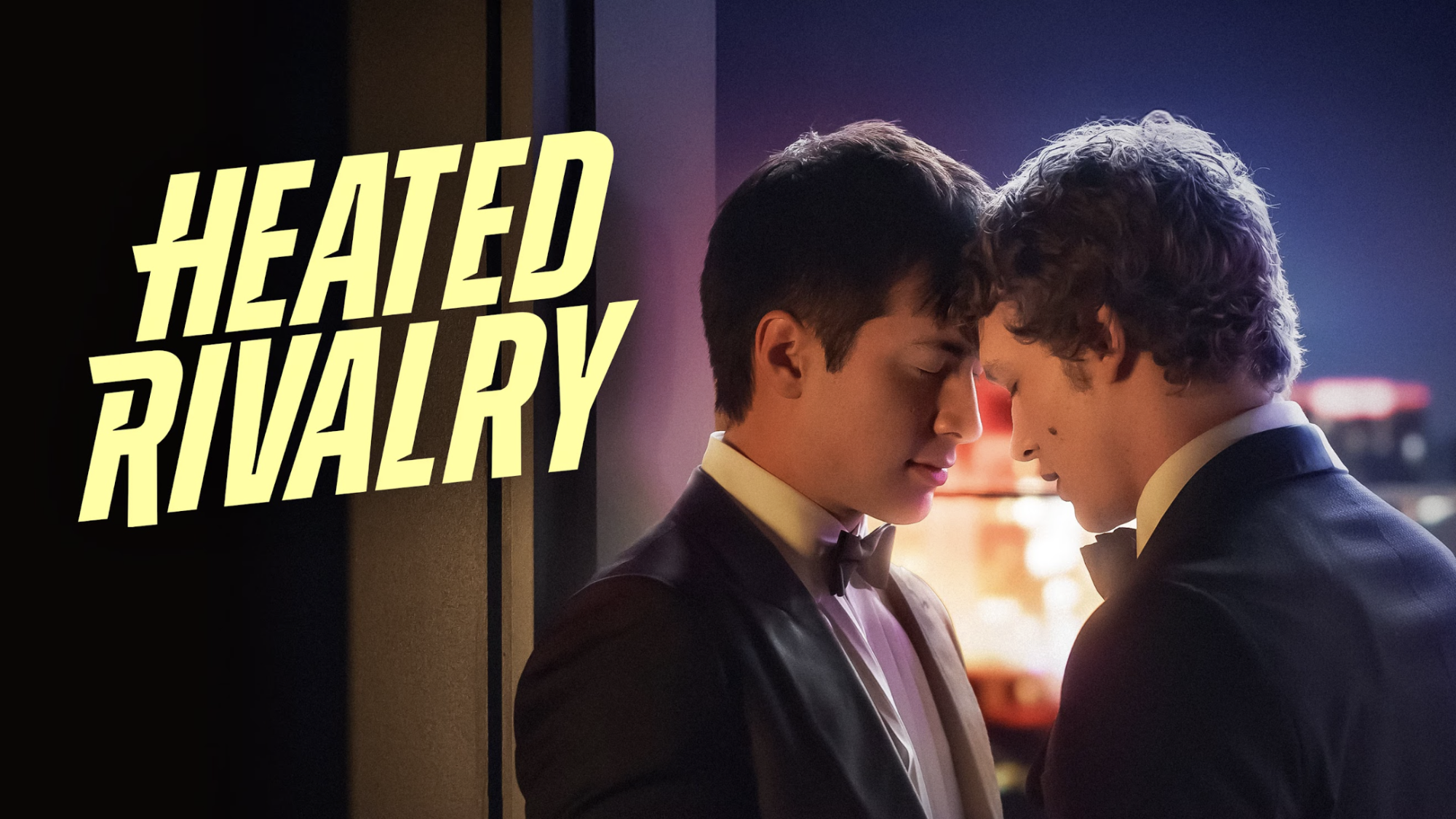
We are introduced to Hollander and Rozanov as the two most coveted prospects in hockey as they compete against each other in the World Juniors. In between the two years of World Juniors, their relationship softens from total fear of the unknown to a reciprocal unknown of what they truly want from each other.
As their careers begin in the Major Hockey League, the widespread media narrative between the two is that they absolutely hate each other. However, their love was never an enemies-to-lovers trope to begin with, but a love built off uncontrollable and genuine desire.
“Heated Rivalry” is refreshing because the sports field often does not receive LGBTQ+ representation. In other mainstream sports stories, many heterosexual relationships fall short of quality and in-depth character development.
Furthermore, almost all sports love stories fail to exemplify the media’s impact on sports, which the show accurately portrays as an important part of sports culture.
In “Heated Rivalry,” reporters and TV narratives create an environment where two athletes cannot love or even be near each other. It shows the flaws of what real-life sports journalism can do, as it generates stories that may be false and pits athletes against each other in a toxic way.
The show also adds multiple perspectives on homosexual relationships in episode three, where the story takes a detour to reveal another hidden gay couple, hockey’s golden boy Scott Hunter and his new boyfriend Kip Grady.
At the end of episode five, after Hunter lifts the MLH Cup, the rest of his teammates celebrate with their wives and girlfriends on the ice. Hunter, with cameras flashing on him as he stands alone, decides to call out Kip from the stands and kiss him. In a beautiful moment where no other opinion matters, Scott comes out of the closet for the world to see, including Rozanov and Hollander, who watch the TV in utter shock.
This act displays what the show strives to accomplish: LGBTQ+ representation and instilling confidence in closeted viewers. We observe Hunter’s act through Rozanov’s and Hollander’s perspectives, and gain confidence along with them that they are not alone.
Hollander and Rozanov are not prototypical hockey champions, as they do not just battle along the boards for the puck. They are humans battling homophobia and fear public backlash to the life they want to live.
The season ends with Hollander coming out to his parents, reflecting and hinting at what will happen with the couple moving forward into Season 2. My hope is that Hollander and Rozanov will find closure as they find a way to make peace without any negative narratives surrounding them.
“Heated Rivalry” shows viewers a complicated relationship that mirrors real-life prejudice toward gay athletes and the LGBTQ+ community as a whole, but offers hope that someday they will be unashamedly accepted in sports.