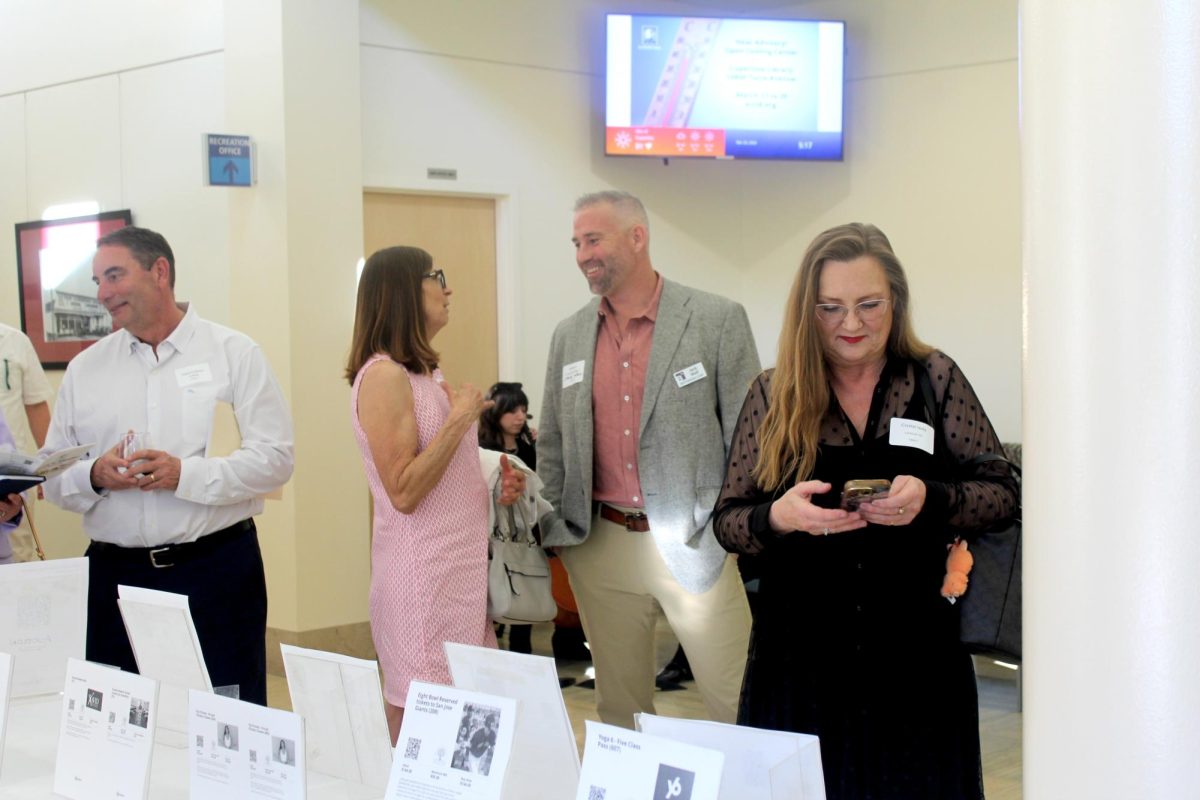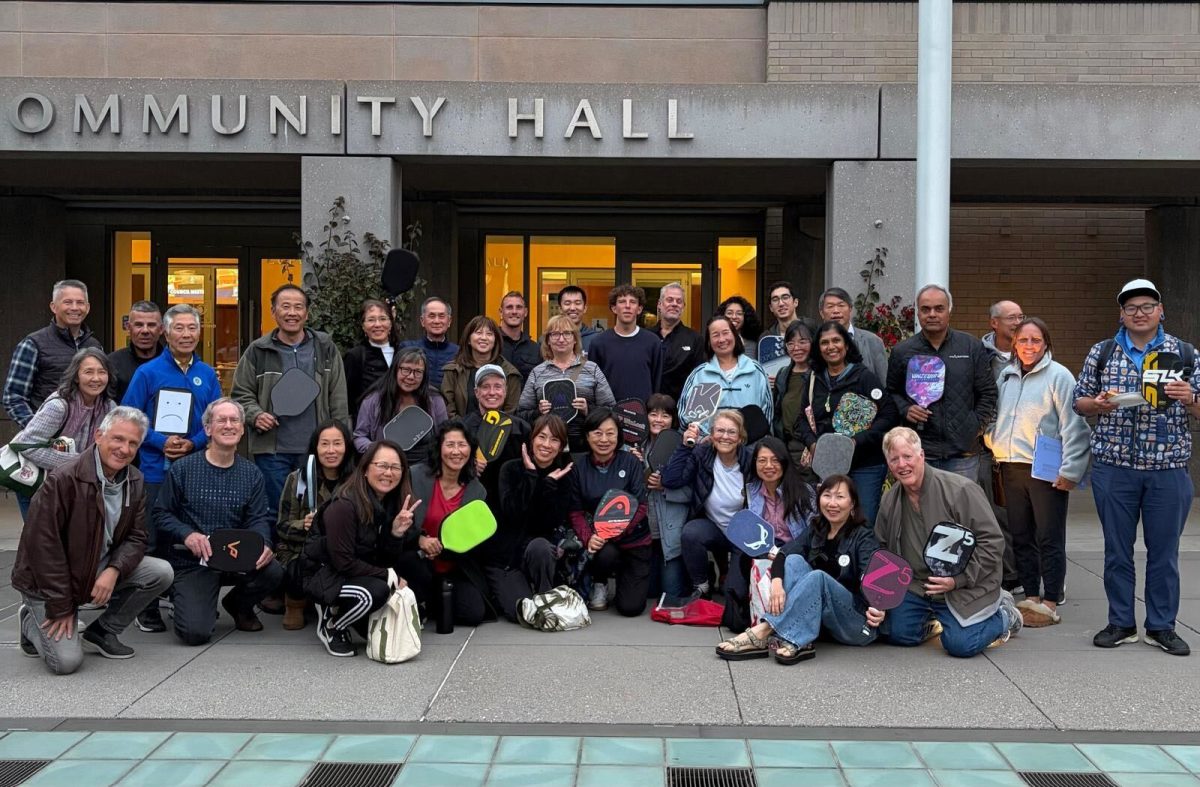
In response to an increase in AI usage in recent years, FUHSD staff held their first AI usage conferences on Oct. 23 and Nov. 23 at the FUHSD district office, English curriculum lead Julia Satterthwaite said. The event aimed to familiarize teachers and staff members with AI tools, and received high interest from staff, Satterthwaite said.
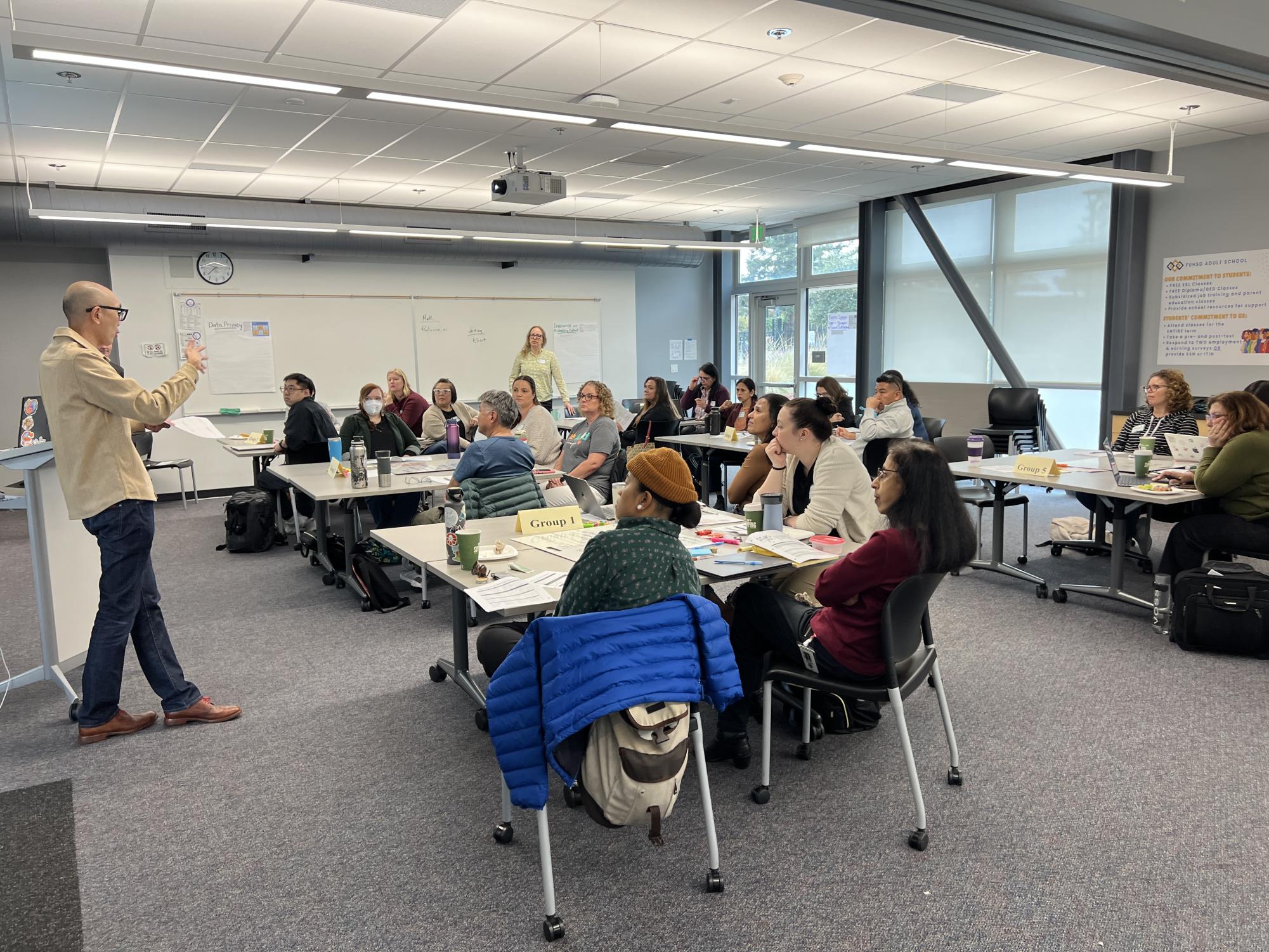
“For this particular session, we wanted to include teachers to think about a lot of the questions that are involved with the use of AI,” Satterthwaite said. “For example, things like the biases that might be in AI tools, some of the environmental impact questions and how we bring up these issues and topics with our students in our classes as well.”
As for applying these lessons to the classroom, coordinator of curriculum and teacher leadership, Welton Kwong said the meeting will help teachers communicate the implications of using AI to students. The hope is that students will eventually become more familiar with AI tools and use them for learning instead of plagiarizing, Kwong said.
“We want students to think for themselves as to when AI tools actually take the place of their critical thinking, like those skills that we want students to develop over time,” Kwong said. “We’re framing it so that students can make a choice in terms of what they want to get out of their own education.”
To ensure meetings were relevant and productive, chief technology officer Menko Johnson said that the organizing committee received questions from FUHSD teachers and used them to develop the content for these meetings and all future ones.
“We gathered input from questions that we’ve received over the last two years, and plotted a series of courses that would appeal to all sides of the AI conversation,” Johnson said. “We weren’t just trying to teach teachers how to use tools. We wanted to give a broad overview [and] give them a chance to explore tools on their own.”
The first meeting focused on the basics of AI and on how to incorporate it into the classroom, Johnson said.
In addition to familiarizing teachers with the basics of AI, Satterthwaite said the meeting also touched on how AI could simplify tedious tasks for teachers, such as developing assignment rubrics. Teachers also had time to experiment with different tools like Notebook LM and other resources, Satterthwaite said.
“We also did a mini lesson for teachers on the environmental impact of AI, and we had them examining some sample social media posts and coming to a conclusion about the extent to which AI is negatively harming the environment,” Satterthwaite said. “And then in the afternoon, they had time to kind of choose their own adventure.”
Furthermore, the meeting explored how AI programs used by students could make a school lesson more engaging by intersecting creativity and familiarity. For instance, teachers discussed implementing the platform Character AI, which allows users to interact with endless fictional characters to learn better, Satterthwaite said.
Overall, these conferences supported the narrative of AI strengthening a student’s thinking ability instead of just doing all the work for them, LHS librarian Amy Ashworth said.
“Because the AI climate is a very new and nascent technology, we were all thrown into it without having the ability to really think about using it,” Ashworth said. “We thought it was really important for our educators in our district to have some exposure to what AI is and what it does, so we can better understand how we can help our students make use of it and also make ethical use of the technology.”