When someone says they read classics, they are often portrayed as intelligent, articulate and emotionally aware. Reading these texts has been associated with high vocabulary and critical thinking. However, when one says they read more modern books simply for pleasure, and not based on the merit of the book, that perception shifts. It is scrutinized.
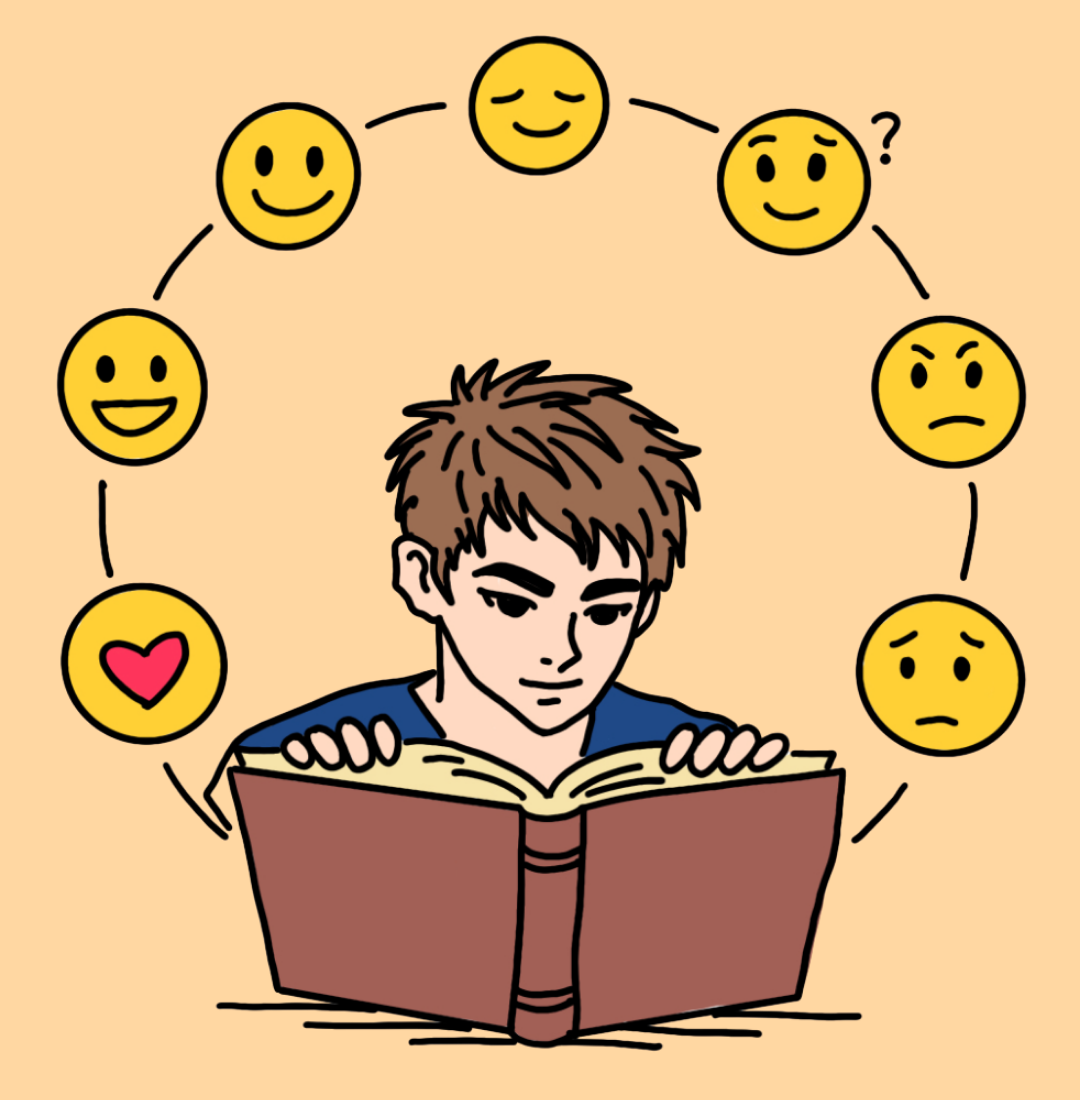
This contradiction starts at a young age, where reading is praised when students read books above the standard reading level. Books that are for younger or broader audiences are dismissed for lacking intellectual value. This pushes the belief that intellectual growth only comes from certain “serious” or academically approved types of reading.
Aside from classic fiction texts, reading is respected when it involves nonfiction, self-improvement or career-related content.
However, limiting one’s view of reading to just a task of productivity discredits the emotional benefits and capacity for personal development when reading fiction for pleasure. Enjoyable fiction novels can encourage empathy and sustained attention, according to the University of Virginia School of Education.
Culturally, genres such as romance or young adult fiction are brushed off due to their innocent and youthful themes. Oftentimes, these genres explore complex and layered themes, yet they are often reduced to stereotypes that label them as simple or intellectually unserious.
This can lead people to dismiss such genres as low-quality or unworthy of serious attention. It discourages open-minded reading and reinforces harmful misconceptions about what makes literature good.
The assumption that difficulty alone defines intellectual worth creates harmful boundaries around what is considered real literature.
Furthermore, social media platforms like TikTok and Instagram have created new avenues to appreciate literature through communities like BookTok, but they commonly draw unnecessary criticism. Readers, mainly young women, share emotional connections to books and build strong communities with one another, which should not be discouraged.
In one instance, “It Ends With Us” by Colleen Hoover gained traction on BookTok around 2022, but was still judged as a simple romance novel. In actuality, the book’s raw depiction of abuse raised awareness about the complexities of toxic relationships and opened perspectives on the phases of healing.
Instead of judging others on what they read, people should be more accepting of what others enjoy and celebrate the art of literature. When students choose to read on their own, it strengthens their literacy, comprehension and language development, no matter the genre.
Ultimately, promoting an environment that values the genuine love for reading is essential to fostering empathy and emotional awareness. Judging readers based on what they enjoy only limits the ability for us to connect, inspire and change through literature.