
The whirring of machinery mixes with the usual clamor of Highway 85 as construction prepares to begin on the new Mary Avenue Villas project. Approved in February, the Mary Avenue Villas project aims to build 40 new housing units, 19 of which will be reserved for disabled families and 20 for low-income qualifiers, according to Cupertino City.
In high-income areas of the United States, affordable housing is a major issue, and Cupertino is the epicenter of this crisis. Given its location in the district, the new housing complex could be very important to families of students, but also for teachers who would like to live closer to where they work. Affordable housing is essential and should be met with support rather than neglect.
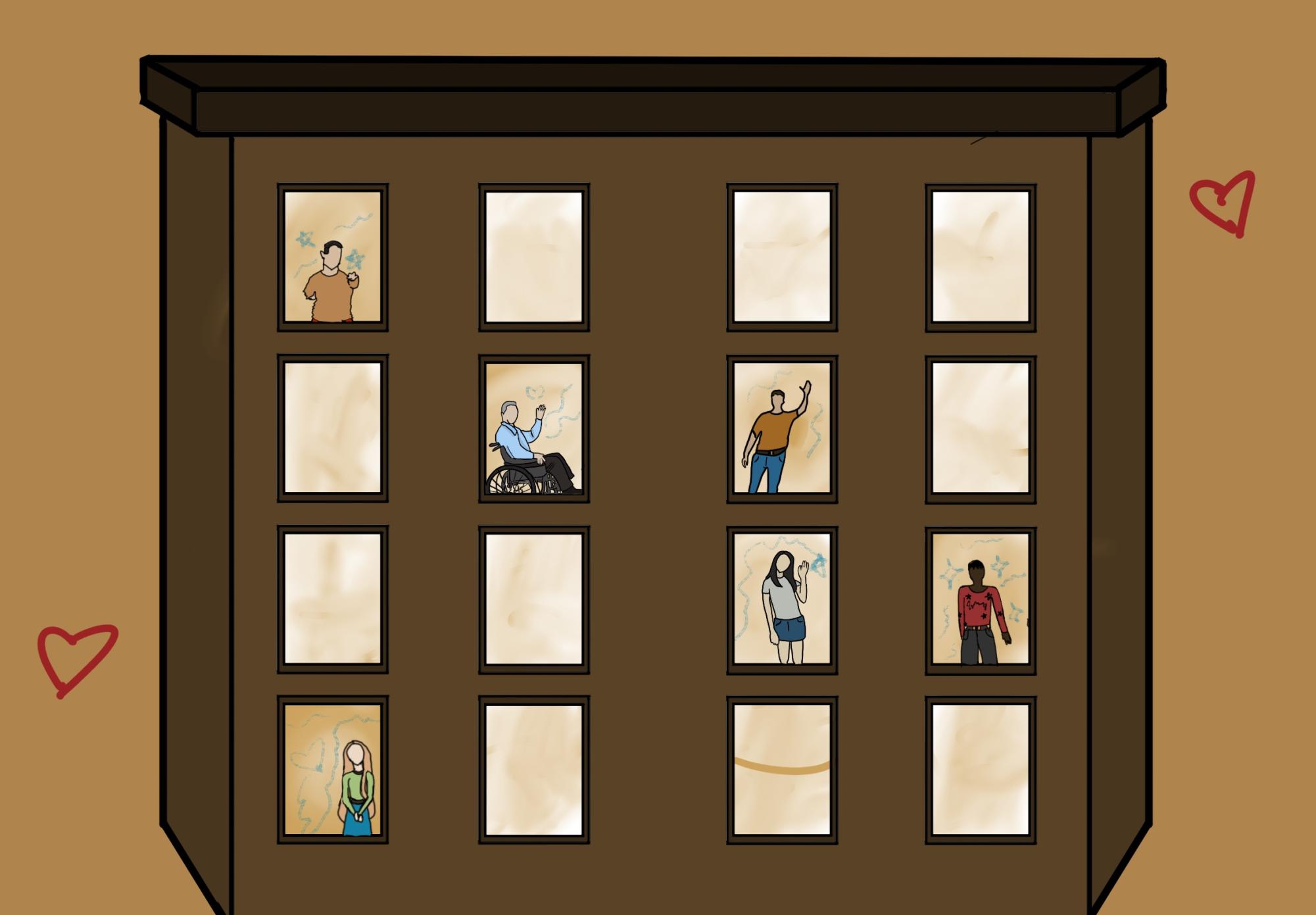
For individuals with intellectual and developmental disabilities, the anticipated monthly average in the apartment complex would be $630 for a studio apartment, $670 for a one-bedroom and $1700 for a two-bedroom, according to Mary Avenue Villas.
The project faced heavy opposition from nearby communities, including from councilmember Ray Wang, who voted no on the decision, claiming that the $9 million project would waste taxpayer dollars. Some communities are also worried about potential traffic and the loss of 89 parking spaces, according to San Jose Spotlight.
For disabled and low-income families, finding an affordable housing option can be extremely difficult. Mary Avenue Villas is a crucial step toward equitable housing, yet many people are unwilling to support it due to selfish interests.
When asked, 83% of American citizens are in favor of subsidized housing for the disadvantaged, according to Get Built. However, I’ve noticed that if said project is planned to be nearby or in their neighborhood, many may show a change of heart.
These types of people can be called “Not in my backyards,” otherwise known as NIMBYs. While this perspective is relatively common, it highlights a contradiction between what people claim to support and what they are willing to follow through with, which is counterproductive for society as a whole.
Councilmember Wang and the nearby communities have legitimate concerns, but any large development will have unintended consequences, such as congestion, loss of parking spaces or crowded public spaces. However, it will ensure long-term community benefits, including increased housing availability and better land use.
To even out the playing field for underserved residents, students should encourage local government leaders to consider more affordable housing projects to create equality in the housing market for disabled and low-income families.
One housing complex is not the solution to all our problems, but it is a step in the right direction. In the future, communities local to HHS would benefit from support like this, which can only be accomplished through petitioning local leaders to put more effort and funding into these projects. Mary Avenue Villas is a building block to creating a more inclusive community, and will continue to support families in need.