
In an affluent area like Silicon Valley, home to many of the most valuable companies in the world, it is easy to lose sight of the part of society that lies below the big names. As SNAP benefits faced significant cuts, these same residents who rely on social safety nets struggled to make ends meet, according to Forbes.
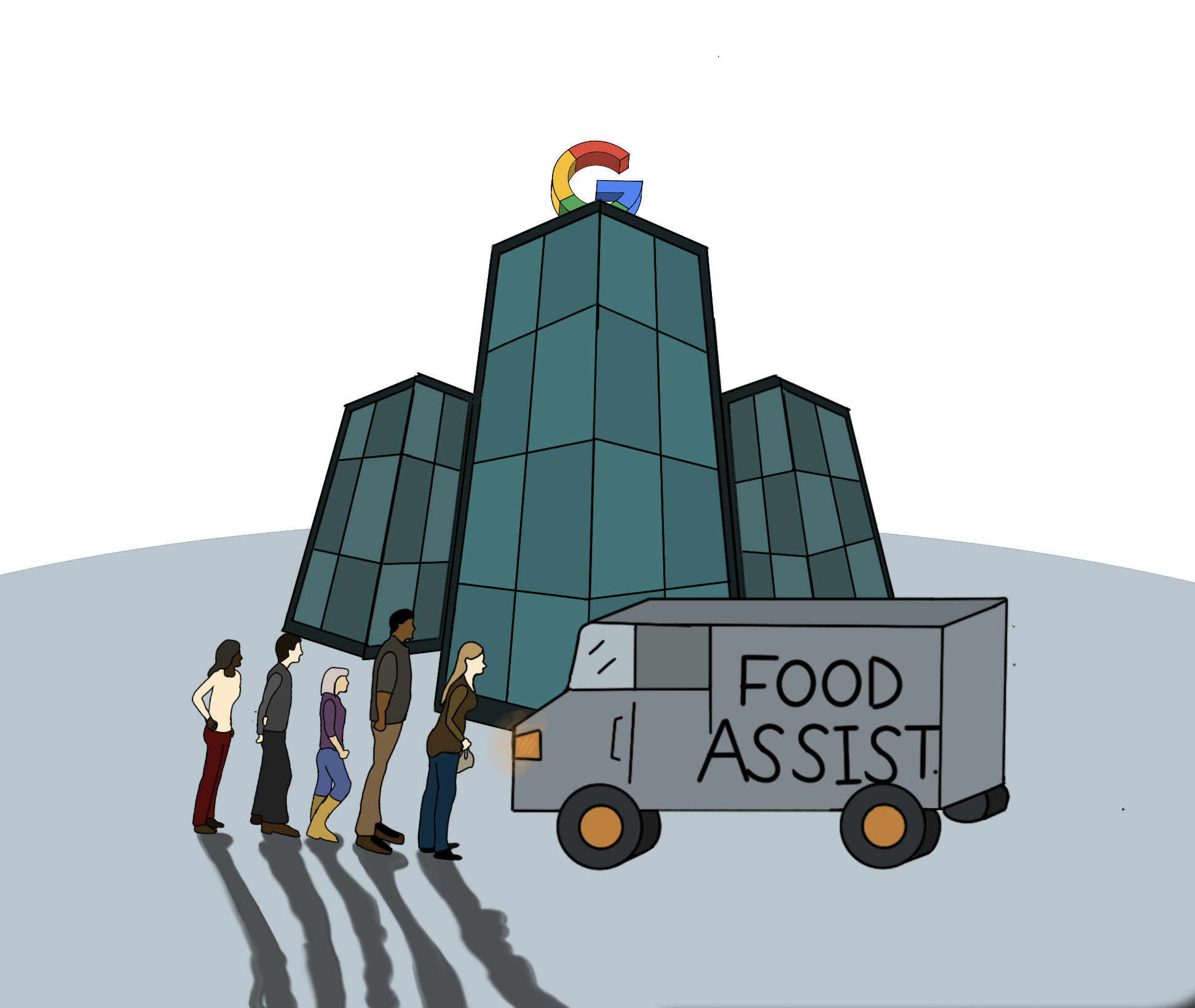
In Santa Clara County, nearly 134,000 people rely on federally funded food assistance, according to the County of Santa Clara. Even in the privileged Silicon Valley, countless families quietly struggle to afford basic necessities like food and shelter, a reminder of why empathy for those with fewer opportunities is essential.
Today, hardworking people often don’t earn enough to get by on a day-to-day basis, especially with a family and prices of basic necessities to take care of. California and local districts must strengthen access to food assistance when benefits like SNAP are disrupted.
Software engineers and doctors are glorified in Silicon Valley, but in reality, it is the blue-collar workers, or people in the service industry, who are the backbone of this society. For example, an Amazon delivery driver makes on average $22 an hour, whereas a software engineer working for the same company makes more than four times as much, according to Zip Recruiter.
It is easy to walk past hunger without realizing it exists in our own neighborhoods. The SNAP delays reminded us that even in thriving communities, there are gaps that need to be filled and people that need to be helped.
California can better support families by expanding emergency food programs and increasing outreach for CalFresh during benefit disruptions, especially in high-cost areas like Silicon Valley.
Such accessibility also includes longer food pantry hours, clearer communication about CalFresh eligibility and partnerships with local food banks to support families outside school hours. Simplifying enrollment processes would help ensure families are not left without food due to delays beyond their control.
In the long term, the district can address food insecurity by educating students about public assistance programs and the realities of local poverty, helping reduce misinformation. Incorporating discussions about SNAP, cost of living and income inequality into health or social science curricula would build awareness that extends beyond just SNAP benefits.
Students can help directly by supporting campus food drives, volunteering at local shelters and ensuring peers know about free meal resources available at school.
In a place defined by innovation and technological progress, it is often assumed that poverty is an irrelevant issue. It is the people’s job to support peers when the government won’t, even when they don’t apply to everyone’s life.