For decades, Japan has been at the forefront of animation. From Studio Ghibli’s emotional masterpiece “Spirited Away” to modern hits like “Attack on Titan,” Japan has set the gold standard. However, in recent years, another powerhouse has emerged: donghua, or animations created by Chinese studios.
Once dismissed as underdeveloped and inferior imitators of anime, donghuas are now captivating global audiences with their breathtaking artistry, intricate character arcs and distinctive themes. As the genre continues to evolve, donghuas deserve far more recognition for their creativity.
Similar to how anime often reflects Japanese culture, donghua shows draw from China’s ancient mythology, philosophy and history. Many donghuas weave traditional aesthetics and ideals into their storytelling, creating a story that is both epic and spiritual.
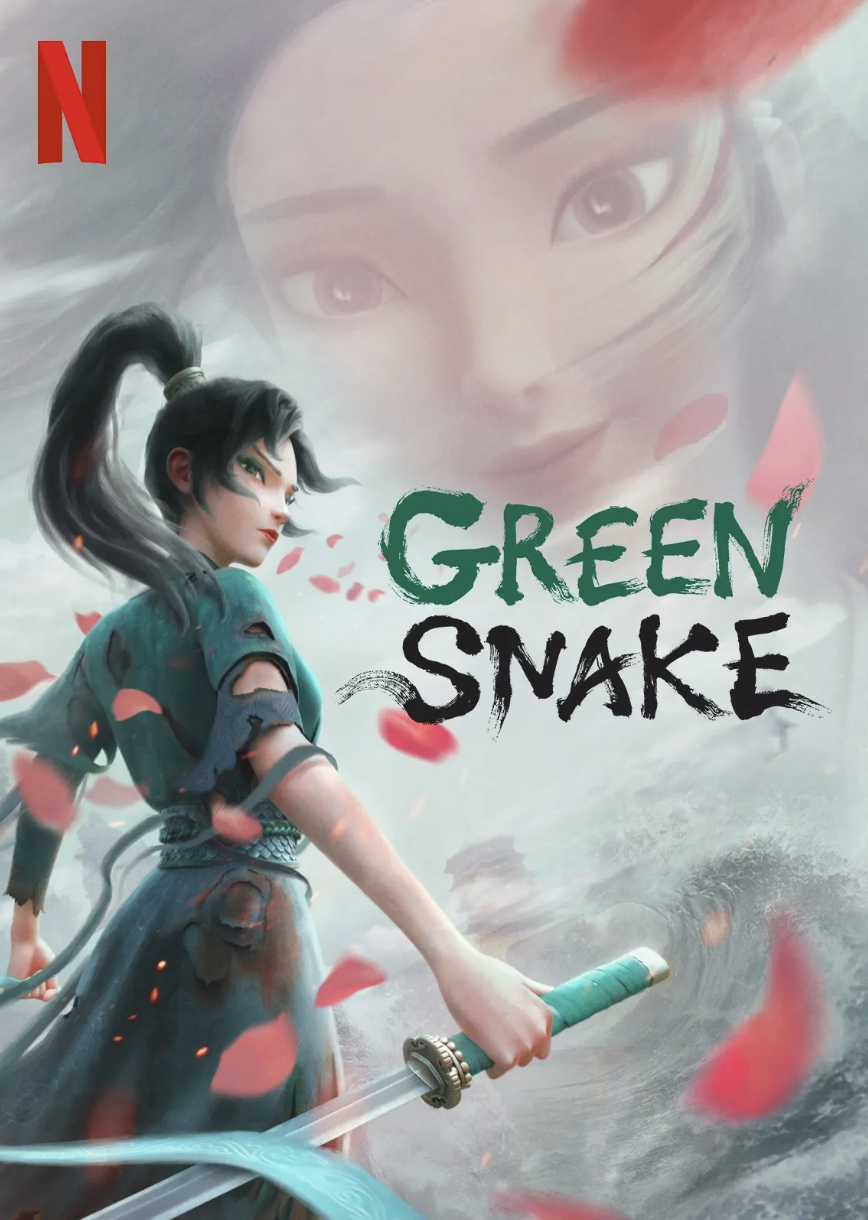
For instance, “White Snake” reimagines the Chinese legend of a powerful snake spirit who turns into a woman and falls in love with a human man, defying the boundaries of the mortal and spirit realms. The film blends motifs of Chinese art, such as ink-brush landscapes and flowing calligraphic lines, with modern visuals to create a stunning visual style.
Furthermore, the engaging story touches on Chinese culture with key characters and items being drawn directly from it. This fusion of heritage and innovation is what makes donghuas unique.
Yet the rising Donghua industry does not serve as a rival to anime, but instead complements it.
They are two completely different expressions of creativity from two different cultures. The rise of donghua does not bring about the end of anime, but rather the start of a more diverse animation world and a larger global recognition.
In fact, my favorite donghua, “To Be Hero X”, is actually a collaboration between Chinese and Japanese studios. This show’s visual style reflects Japanese animation with a slower, more introspective theme reminiscent of Chinese animation. The donghua made me reflect on human nature and society as a whole.
Despite their recent growth in popularity, donghuas still remain underrated, especially when compared to anime. I encourage people to celebrate donghuas for their unique expression as they bring diversity to the animation world.