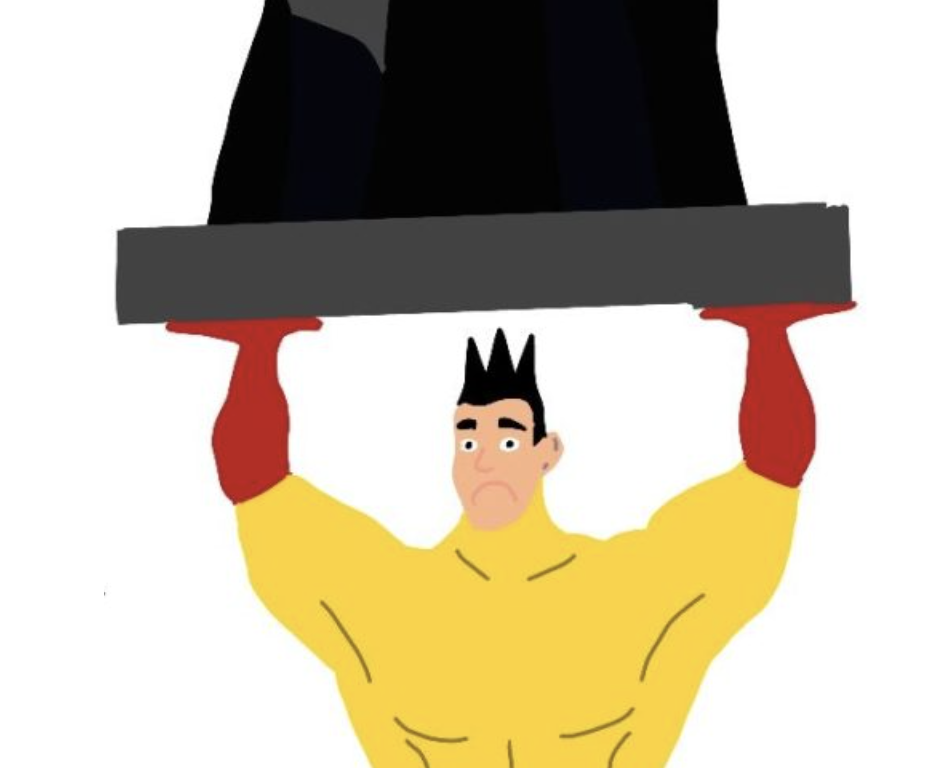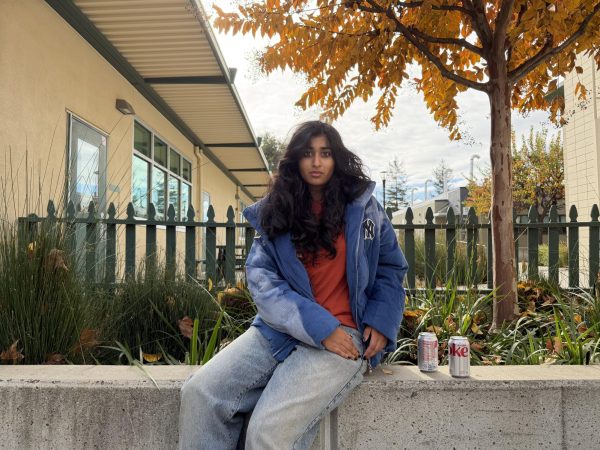
As a curvier person, unisex clothing makes me look like either a toddler trying on their parents’ clothes or a refrigerator. In a time where androgynous styling is celebrated in fashion, it amazes me how companies seem to use a unisex label to repackage their men’s clothing.
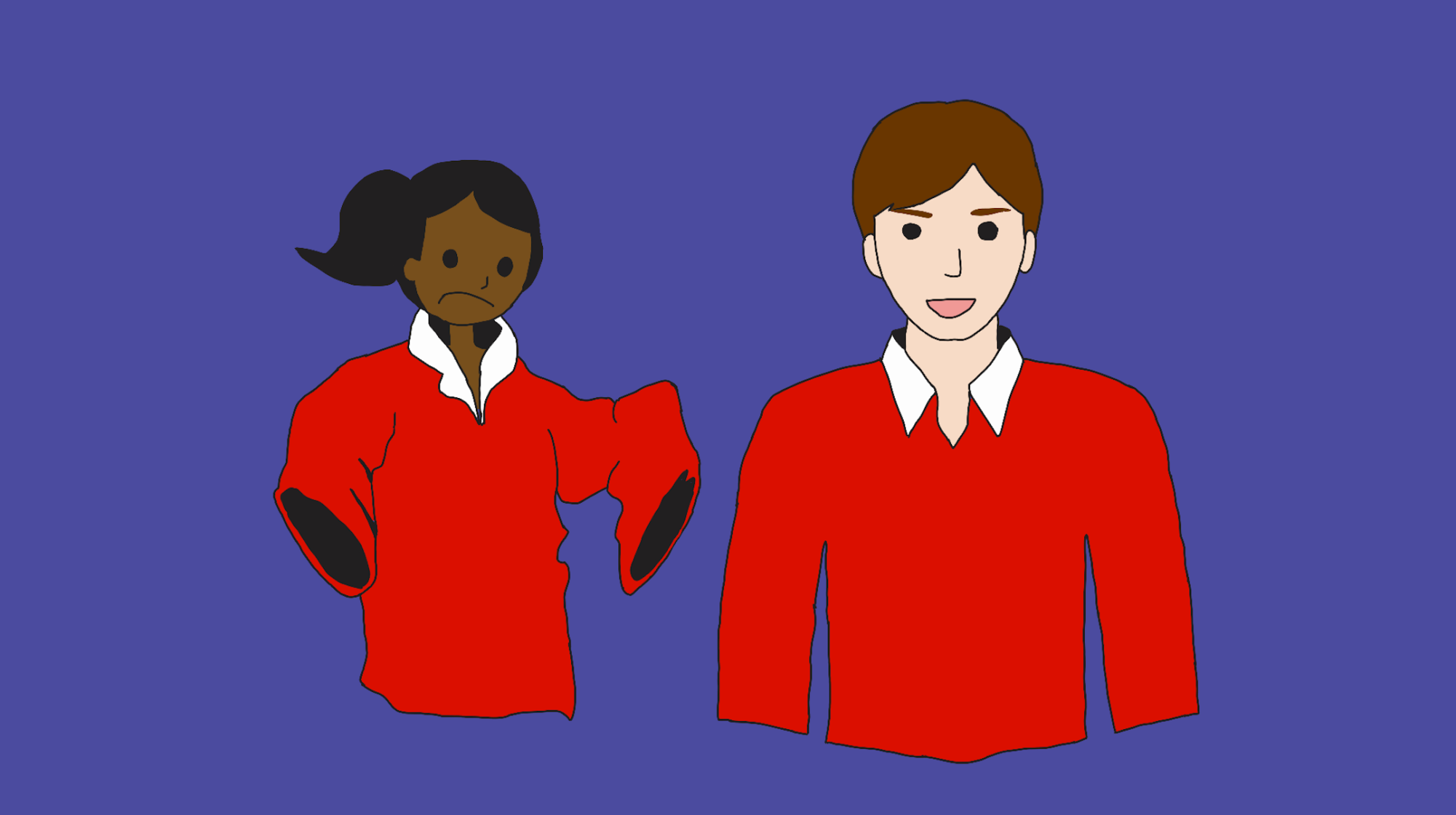
When making unisex clothing, brands should not neglect women, nonbinary people and the creation of designs that fit well on more feminine bodies.
The lack of diverse sizing forces strict body standards on curvier people looking for unisex clothing. This ultimately alienates an entire body type from clothing that is supposed to appeal to everyone.
Most unisex clothing is sized the same as men’s, according to Vogue. This means that stereotypically female bodies, which are often smaller and contain more curves than men’s do, are less likely to fit into unisex clothes.
When clothing companies cater to male body types while using the label of unisex, it feels like they want to make money from an expanding market and audience without putting in the work to make their products truly unisex.
Unisex clothing that does not fit people who don’t have stereotypically masculine frames also harms the environment. The most common cause for returning clothes is improper sizing, according to The Washington Post. The majority of returned clothing items end up in the landfill, according to Earth.org.
If inclusive sizing isn’t a concern for brands, a significant portion of the market’s audience will likely return or discard unisex clothing, resulting in more clothing waste.
In addition to being improperly sized, unisex clothing is also not diverse in its shape. To escape issues with shaping for all body types, unisex clothing is often advertised as baggy and oversized.
This lack of range creates monotony in the realm of unisex clothing. If someone wants to purchase unisex clothing but prefers tighter fits, they will have no options.
In order to create real unisex products, clothing companies must task designers with creating clothes that encompass both masculine and feminine styles. Additionally, they should focus on innovations, like improving fabric stretch, that allow clothing to better accommodate all genders.
Ultimately, to create true unisex clothing, brands must prioritize variety in both sizing and fit. Doing so would create an environment where all customers feel comfortable in their clothes, not just the ones with masculine body types.
![“We are the next generation of leaders. What we see in our social media is being censored, and what we can talk about in school is being controlled,” organizer Imaan Syed said. “That’s why our First Amendment rights are important, [so] that we can speak about anything we want to and continue to show out.”](https://hhsepitaph.com/wp-content/uploads/2026/02/2-1200x800.jpeg)