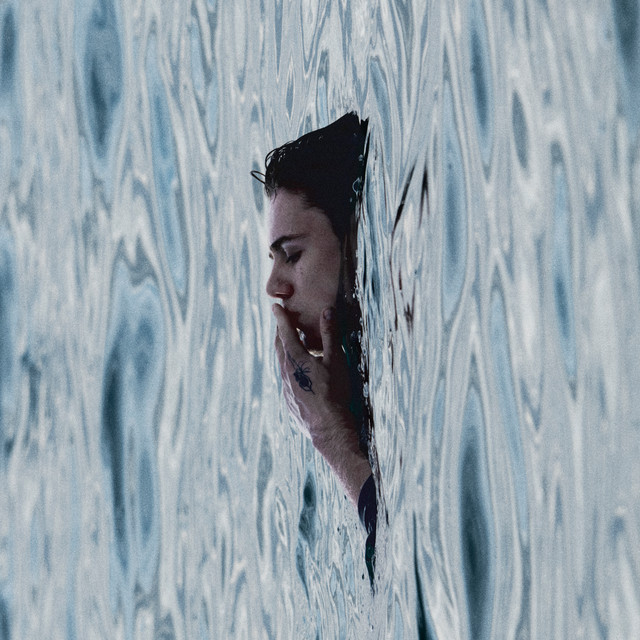
COLUMN — I often receive music recommendations from friends as material for this column, and I am almost always amazed by the artists I encounter because of this. However, when a fellow Epitaph staffer recommended anaiis, I was drawn into her vivid soundscape unlike any artist I had ever heard before.
anaiis, whose name is lowercase as a tribute to the feminist author, critic and activist bell hooks, is a French-Senegalese songwriter living in London. She released her first EP, “before zero,” in 2018, and has released three brilliant albums since then: “darkness at play,” “this is no longer a dream” and “Devotion & The Black Divine.”
Additionally, she is comfortable singing in multiple languages such as English, Portuguese and Latin, increasing her music’s appeal to a broader audience. The singer also attended the NYU Tisch School of Arts. Her training shines through her multifaceted songs and bold experimentation with different styles and time signatures.
For example, she performed “vanishing” in the 2020 A COLORS SHOW, a prominent German music performance platform. The song is written in a 5/4 time signature, and the extra beat to each measure should theoretically make the pulse of the song seem off-kilter. However, she seamlessly works the unique pulse, as well as the message about the confusion and isolation of grief, into her music. The backtrack is hypnotic, trapping listeners in a mesmerizing loop that mimics the repetitive nature of mourning.
anaiis also likes to mix different genres into her albums, and her latest album, “Devotion & The Black Divine,” delves into church-like choral, R&B and classical ballad music. Voice notes are interspersed in the album, adding a personal connection and tonal variety to its sound.
The first song, “Something is Broken,” deals with anaiis’s trauma and disillusionment, starting off very muted. However, choral harmonies are slowly layered to make a climax in the chorus, bringing out the rage and confusion of the song. The harmonies also grow more discordant as each voice fights for attention during the buildup, bringing the audience into anaiis’s inner world.
This is followed by “Deus Deus,” a more mellow R&B song compared to the choral track before it. She repetitively sings “deus deus,” adding a rhythmic element to her vocals and emphasizing the depth of her love for her significant other, as “deus” means “god” in Latin. This technique adds a heady feel to the music but is rarely utilized by most artists, and it is refreshing to hear artists like anaiis using such musical techniques to elevate their sound.
anaiis is heading a new generation of multitalented musicians, transcending the traditional borders of genre and style. You will ‘Learn to Love’ her because she opens her heart to anyone who listens closely enough.