
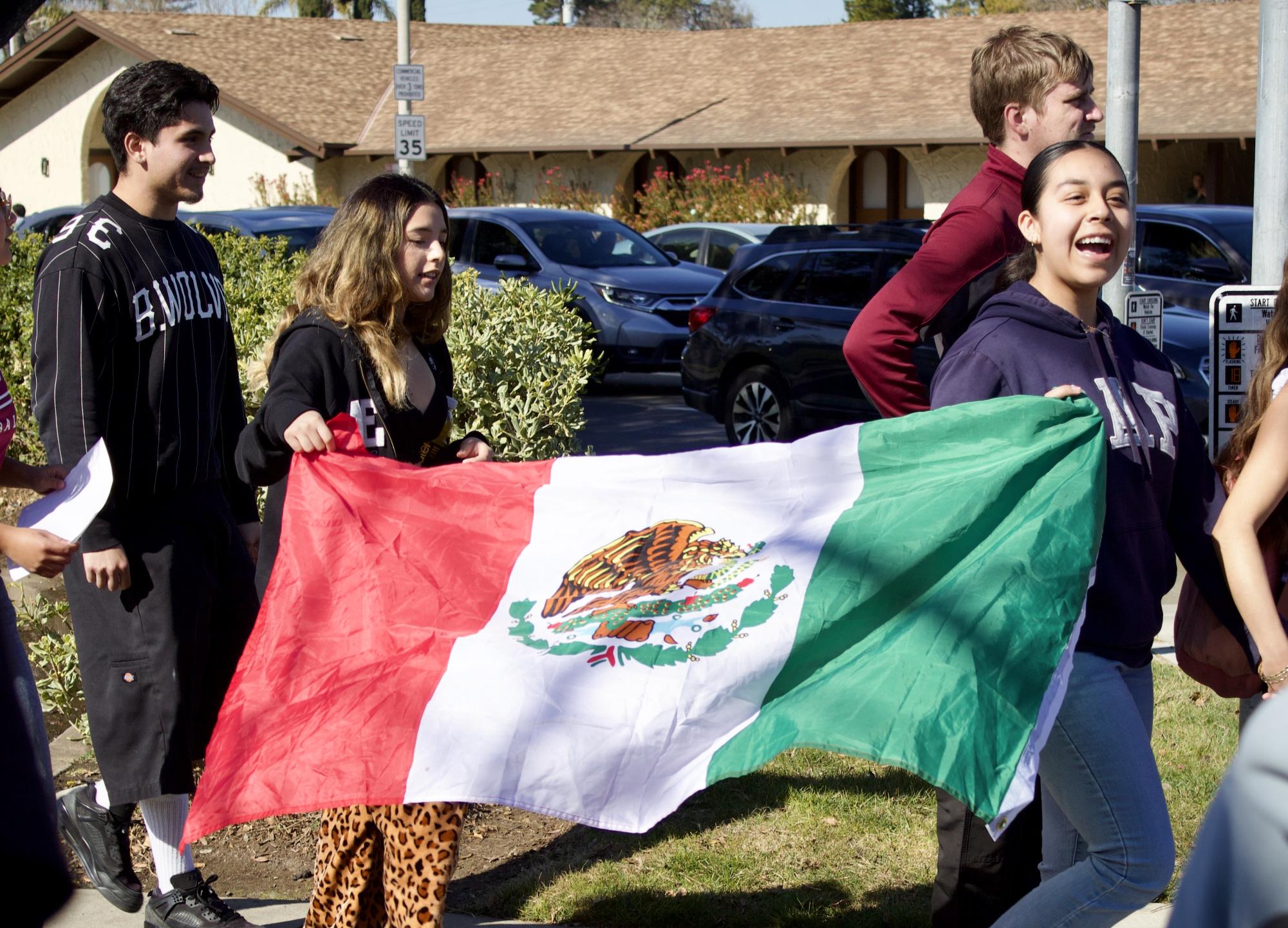
While hundreds of students boldly marched along city sidewalks in the Feb. 4 walkout, others stayed in the classrooms because their immigration status did not grant them the privilege of comfortably participating.
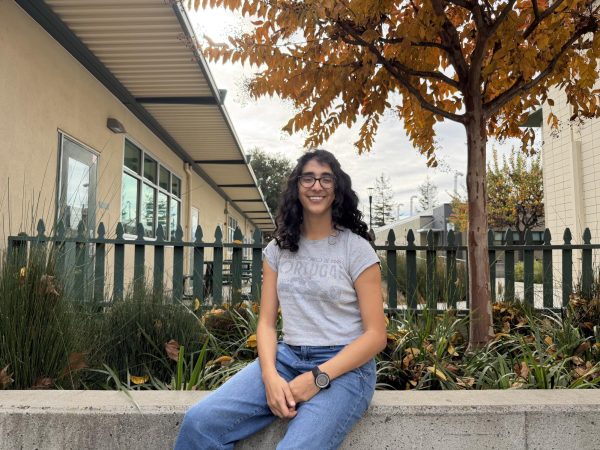
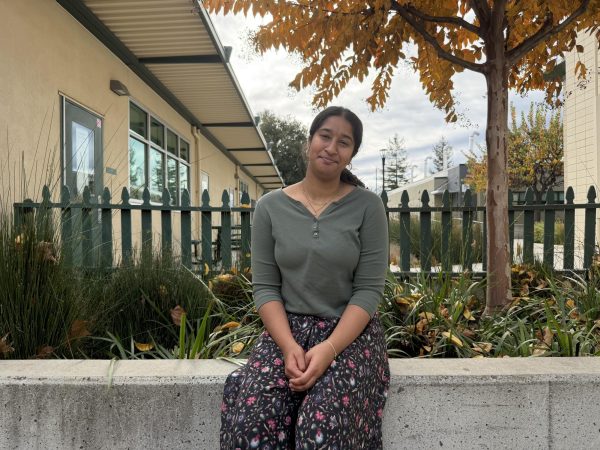
The students who were most affected by ICE also felt they lacked the full protections to protest safely, for fear of retaliation against their legal permits. The Epitaph spoke with two students who chose not to join and will remain anonymous due to these concerns. They will be referred to as Rowan and Taylor.
Rowan, who immigrated in 2022, is currently on an L-2 visa for children of immigrants transferred for employment. After hearing about the planned walkouts, Rowan said they originally wanted to attend but ultimately chose to be cautious and opt out.
“I saw the Instagram post about ICE walkouts, and I honestly really would [have liked] to attend because I’m an immigrant in the United States, being Japanese, and I would like to protest against ICE,” Rowan said. “My dad respected my choice, but my friends reminded me to be more careful because I’m not a U.S. citizen.”
Facing a similar situation, Taylor has lived in the U.S. for 11 years, obtaining a green card in 2020. Despite being a lawful permanent resident, Taylor said issues like international travel have become more worrisome since immigration operations have expanded.
As someone vulnerable to being targeted by ICE, Taylor said they were eager to protest against the government’s actions, but their parents brought up possible repercussions upon hearing of their plans to attend. After multiple conversations, Taylor said they were persuaded not to go.
“My parents were worried because [although] we have green cards and we’re legally allowed to be here, we’re still not citizens, so we can’t 100% deny that we’re going to be deported or threatened,” Taylor said. “Also, there are people who are supporting ICE. Just because I look Asian or I’m not a citizen, they could say or do things that are dangerous, even if I’m legally fine.”
Although the Bay Area is generally safe for non-citizens, in case they encounter law enforcement, Rowan said they always carry I-94 identification papers to prove their right to remain in the country. When first pushed to do so, Rowan said it marked a shift in their perception of security in the country.
“After Trump became president, [my dad] reminded me to bring my I-94 every single time I’d go out, even going to school,” Rowan said. “I’ve never met police taking the documents, so I’m not sure what would happen if I actually met someone [who] checked, but my mind kind of changed to ‘I have to be more careful to live in the United States.’”
If they had naturalized or acquired a green card, Rowan said they would have felt more confident to participate in the walkout. As matters stand, however, they risk visa denial if authorities were to find out about possible involvement in protests.
With some of his own family members being directly impacted, senior Jesus Hernandez Tornez said fears of being unjustly detained hit close to home.
“[This issue] was important to me because as a Mexican, there are a lot of people getting deported right now,” Tornez said. “For example, some of my family members or relatives got deported or detained, and I know who they are, so I know they didn’t do anything bad. They just wanted to live a better life in America.”
Even as a green card holder, Taylor said the dangers of living in a tense political climate still exist as a backdrop in everyday life.
“A lot of people live in other places with more [conflict] happening. I’m worried about them, and I hope it gets better,” Taylor said. “But even here, where there’s less going on, I still heard there was a different protest where people were using violence against a student. Even if it’s not directly [influencing me], it’s still a concern just being here.”
Taking these fears into account for students who did attend the walkout, organizers provided bags with whistles, relevant information cards and a signal protocol to alert protesters of ICE proximity or other hazardous situations, student leader, junior Zoe Moozarmi said. In future instances, Moozarmi said she hopes to provide greater emotional support for prospective attendees.
“I get their fears, but what the school and what we can do next time [is] have more volunteers stay with people who don’t feel as safe or secure,” Moozarmi said. “They can have a buddy with them, someone to be with them like, ‘It’s okay, I’m here. I got you.’”