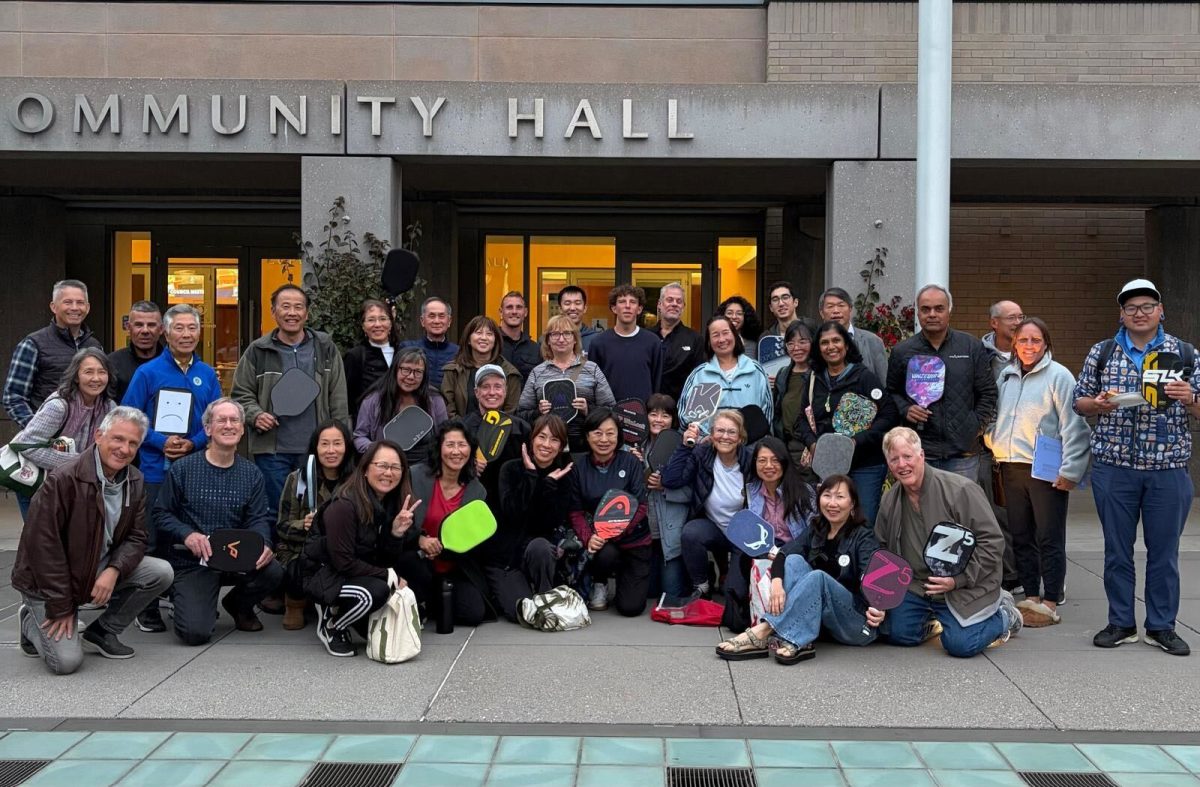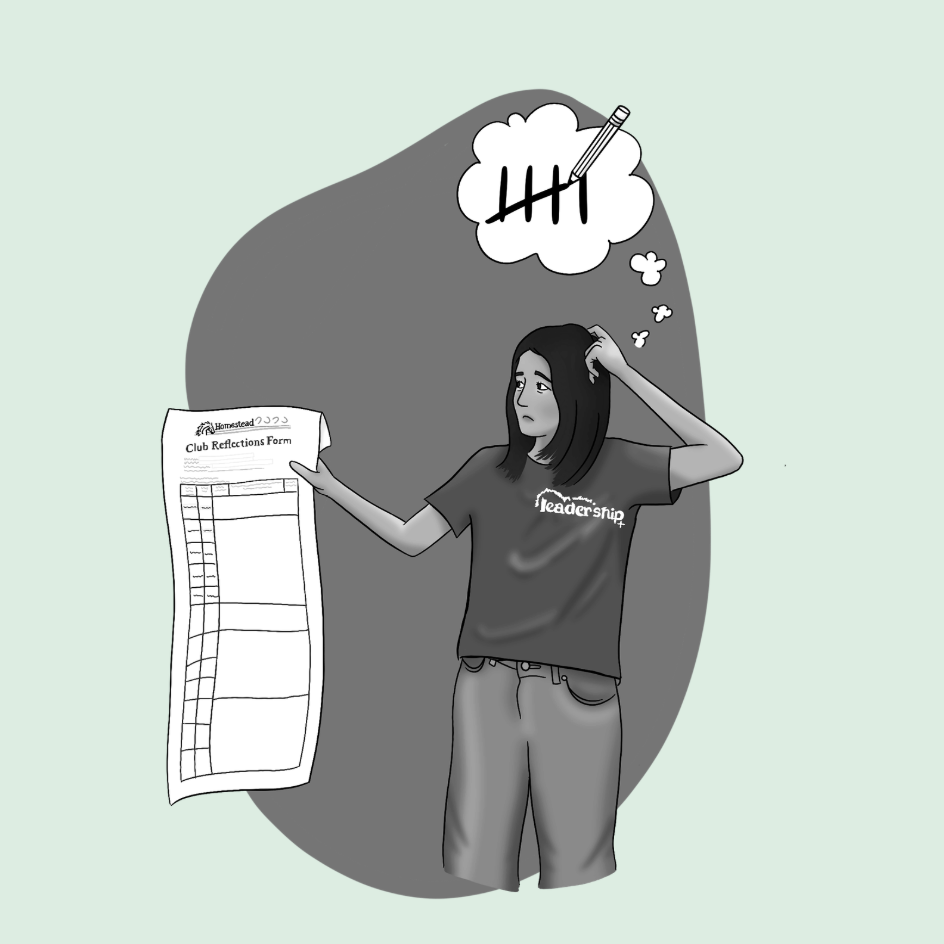
As I sat in my classroom with students of various ethnicities, the substitute teacher taking roll looked up from the roster and approvingly pronounced us a “DEI classroom.” To my disconcerted classmates and me who are accustomed to the diverse Bay Area population, her comment felt out of place but at least well-meaning.
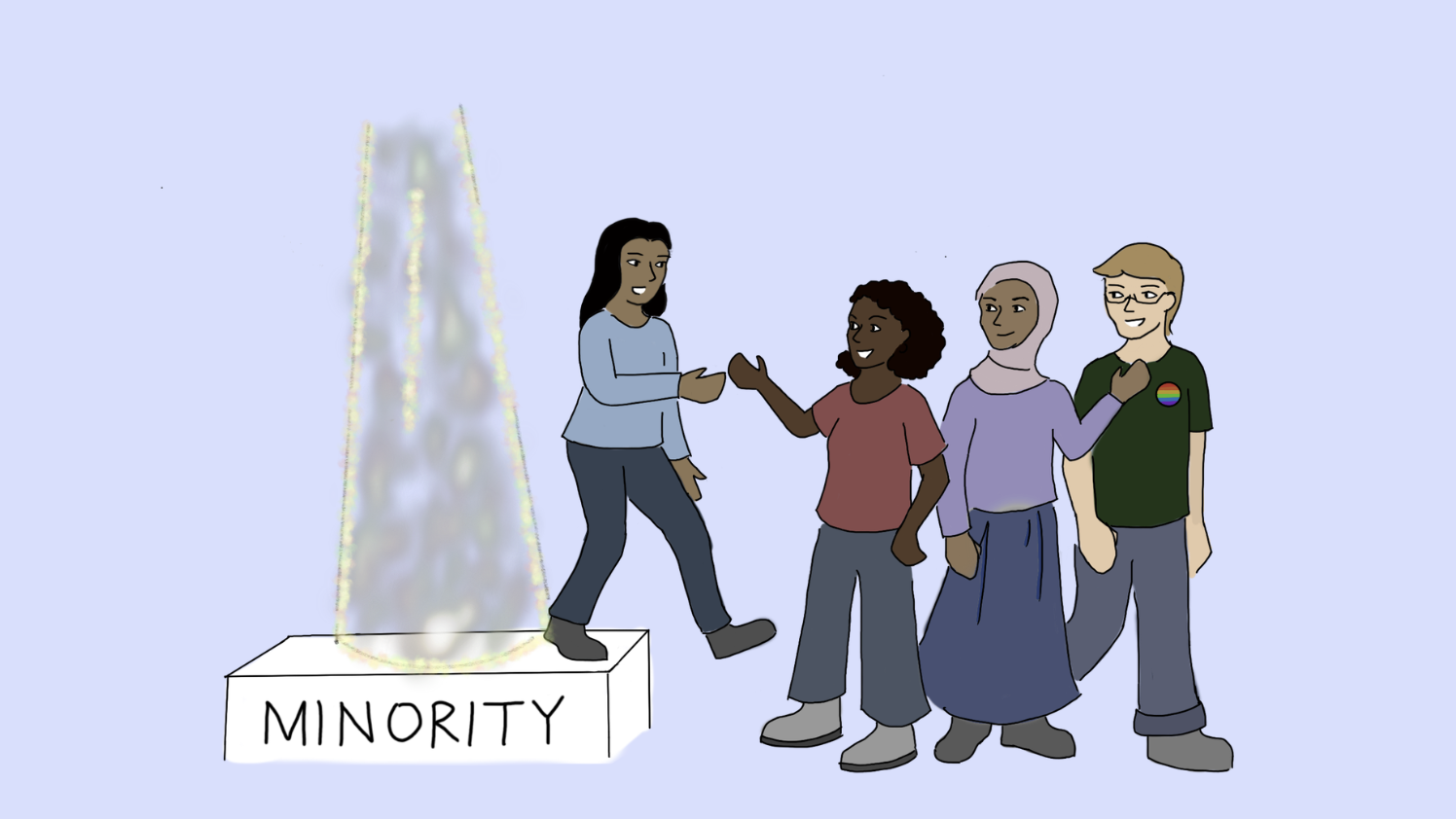
The same awkwardness presents itself within celebrations of diverse racial, gender, disability and LGBTQ+ representation in entertainment, too.
Films and books that hyperfixate on diversity as a selling point can easily backfire and reinforce the idea of minorities being outsiders.
For instance, in the 2006 graphic novel “American Born Chinese,” the protagonist is a Chinese American boy living in a majority-white town who is harassed by his peers and longs to become white. The book intends to convey the Asian American experience of feeling ashamed about one’s identity.
I felt sympathy for the character. However, living in the Bay Area all my life, I cannot remember people ever making fun of my lunch or bullying me about Chinese stereotypes.
I understand that many people from minority groups face discrimination. Still, that does not explain why they are presented as alienated from American society in seemingly every piece of media about them.
When diverse media brings such “outcast” stories and little else, it only perpetuates the narrative that minorities are misfits who must fight to accept themselves and be accepted.
Therefore, there is a clear need for casual representation: when a marginalized community is portrayed as regular people instead of constantly battling against the world.
“Brooklyn Nine-Nine,” for example, is one of my favorite sitcoms due to its vibrant cast of characters and, more importantly, because it knows when to zoom in on their differences and when to zoom out.
Captain Holt, a character who is Black, gay and happily married, explicitly acknowledges the prejudice he faced from colleagues. However, his role is not to instruct viewers about homophobia or racism. He is the irreplaceable leader of the squad, and his identity settles into a place where it is regarded as perfectly normal, unlike other pieces of media.
Not everyone’s challenges are related to their identity. Diverse stories should not be relegated to a separate category where characters’ identities are always made out to be a hurdle.
By including diversity in both characters and their stories, media will more accurately reflect the experiences of viewers from different walks of life.