Fashion is a direct expression of who we are and how we present ourselves, and former First Lady Michelle Obama knows that better than anybody. In her new book ‘The Look’, released on Nov. 4, Obama explores how her wardrobe has become an extension of her strength, health and empowerment.
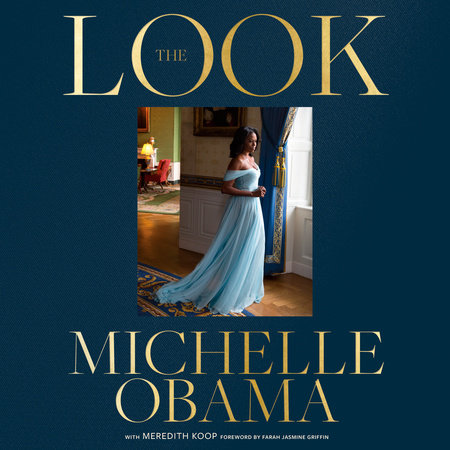
Outward appearances can tell worlds about someone’s character, standing or personality, giving others a glimpse of what lies on the inside. But for someone as prominent as the first Black First Lady, this kind of visual communication carries extra weight.
‘The Look’ captures a snapshot of Obama’s evolution from the all-American denim that she wore during her days at Princeton University to the neat, clean-cut suits that marked her rise as an independent advocate and activist.
As First Lady, the bulk of Obama’s public identity was built through media coverage, interviews and televised features that reached every corner of the world.
Obama’s vivid imagery and specific adjectives bring the memoir to life. I found it refreshing to read, as her confident tone and tenacious spirit are reflected so clearly in her writing.
Rather than simply describing what she wore, Obama explains why those choices mattered, grounding each look in the emotional and political realities of the moment. Her thoughtful descriptions reveal how clothing became a response to scrutiny, expectation and visibility, allowing readers to understand the pressure behind even the smallest stylistic decisions.
A single article of clothing can carry a message within itself, whether it is through makeup, jewelry or accessories. Obama strategically marries message and model to use this form of expression to her advantage.
In her book, a crisp suit and tie implies a bold, brazen vision with an eagle’s eye sight on the future to come, while a delicate one-piece gown suggests a more elegant and graceful image. To be seen, this form of expression was vital for Obama to keep in mind.
What stood out to me was how Obama reframed this pressure into purpose while advancing her political agenda. Rather than shrinking under expectations, she leaned into them, using fashion to project confidence, competence and cultural pride.
Instead of choosing well-known designers who had dressed previous First Ladies, she handpicked designers from underrepresented backgrounds, kickstarting their careers and supporting minorities. In one instance, at her husband’s inaugural ball, she was expected to wear a piece from an established designer, but she chose a dress from Jason Wu, an emerging Taiwanese designer.
“The Look” also introduces readers to the team behind her iconic looks and gives context to her growth as a prominent figure. Overall, it was engaging and uplifting, especially with the aid of vibrant pictures that brought Obama’s journey to life.
Despite being both inspirational and informative, the language is tedious at times and often repetitive. The pictures were interesting, but the start of the book mostly talked about her position rather than her fashion.
However, as the book progresses, a real glimpse into her perspective is revealed, as she describes how her worldview shaped her style and vice versa.
Through this memoir, Obama sets a clear example of how to fully embrace oneself by welcoming a new appearance. In comparison to other powerful memoirs about her life, “The Look” was by far the most compelling, as it mixes personal reflection with social commentary in an engaging way. This exploration is sure to reshape readers’ views on embracing change, not just in appearance, but in the way we present ourselves to the world.